Home Design Ideas
The Archaic Design Trend is Bringing the Stone Age Back

The emergent trend of archaic interior design isn’t exactly a new idea, but rather a full-circle moment. As far removed as it may seem in 2025, if you trace our existence back enough, we all came from cave-dwellers. Archaic simplicity honors our collective past with rich textures, colors, and materials of ancient civilizations. Think earth-hued plaster, arched doorways, and inviting interiors that speak to our deep connection with the earth. In collaboration with Architectural Digest, we’re diving into the archaic interior design trend, exploring its foundational principles and offering practical ways to bring this ancient aesthetic into your home — starting with a rug.
Throw Texture at the Wall
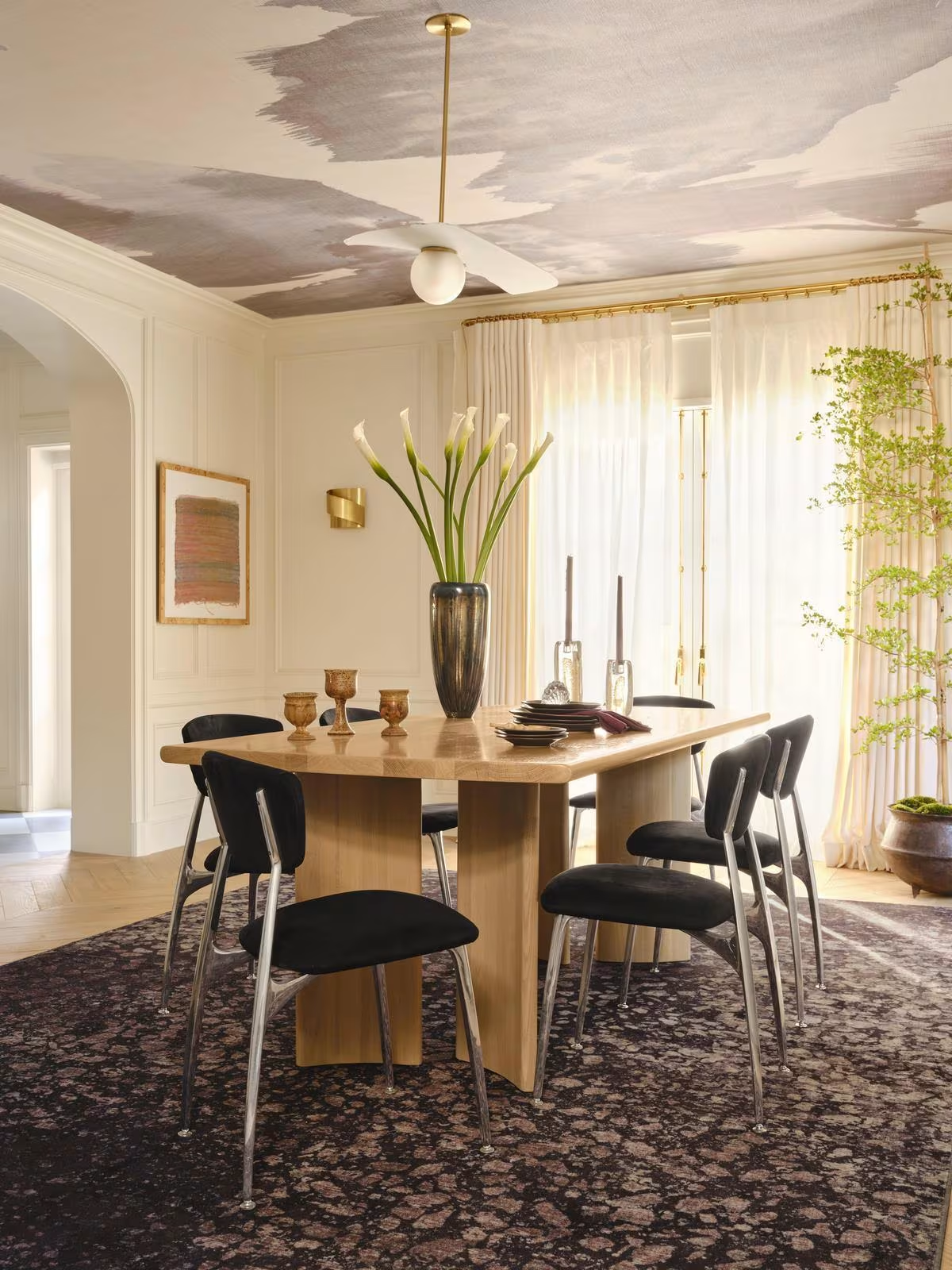
Claire Pickney, Ruggable’s Manager of Design Trend Forecasting, explains the roots of the ancient-made-modern trend: “the modern look draws from the protective, sinuous curves of ancient subterranean dwellings. Cavernous spaces evoke a sense of safety and intimacy — there’s a sense of protection in a cocooned shelter with cavernous walls and low ceilings.” For those of us living in slightly more traditional spaces with walls at a 90 degree angle, there’s a lot you can do to emulate the enveloping surroundings of cave walls. Caire suggests “finishes like oxidized patinas, metallic trims, and silver-leaf patterning lend a celestial, otherworldly allure.” That celestial vibe is reflected in the Ruggable x Architectural Digest Terran Burgundy Rug, which features an abstracted starry motif that perfectly complements glints of metallic.
You could try your hand at creating an artwork in the style of a cave painting, or take on a DIY project that gives you instant coziness and texture. Ruggable Creative Director Cassandra Leisz suggests a few different at-home projects you could take on for similar effect: “Limewash is so easy to paint and apply, because it’s the imperfections that make it beautiful. Roman clay or Venetian plaster are also great options that give that same sort of rough-finish aesthetic. You’re literally putting clay from the earth onto your walls, so it’s a way of utilizing natural material and taking away the artifice of drywall.”
Get the look: Ruggable x Architectural Digest Terran Burgundy Rug
Take Your Time Sourcing Secondhand
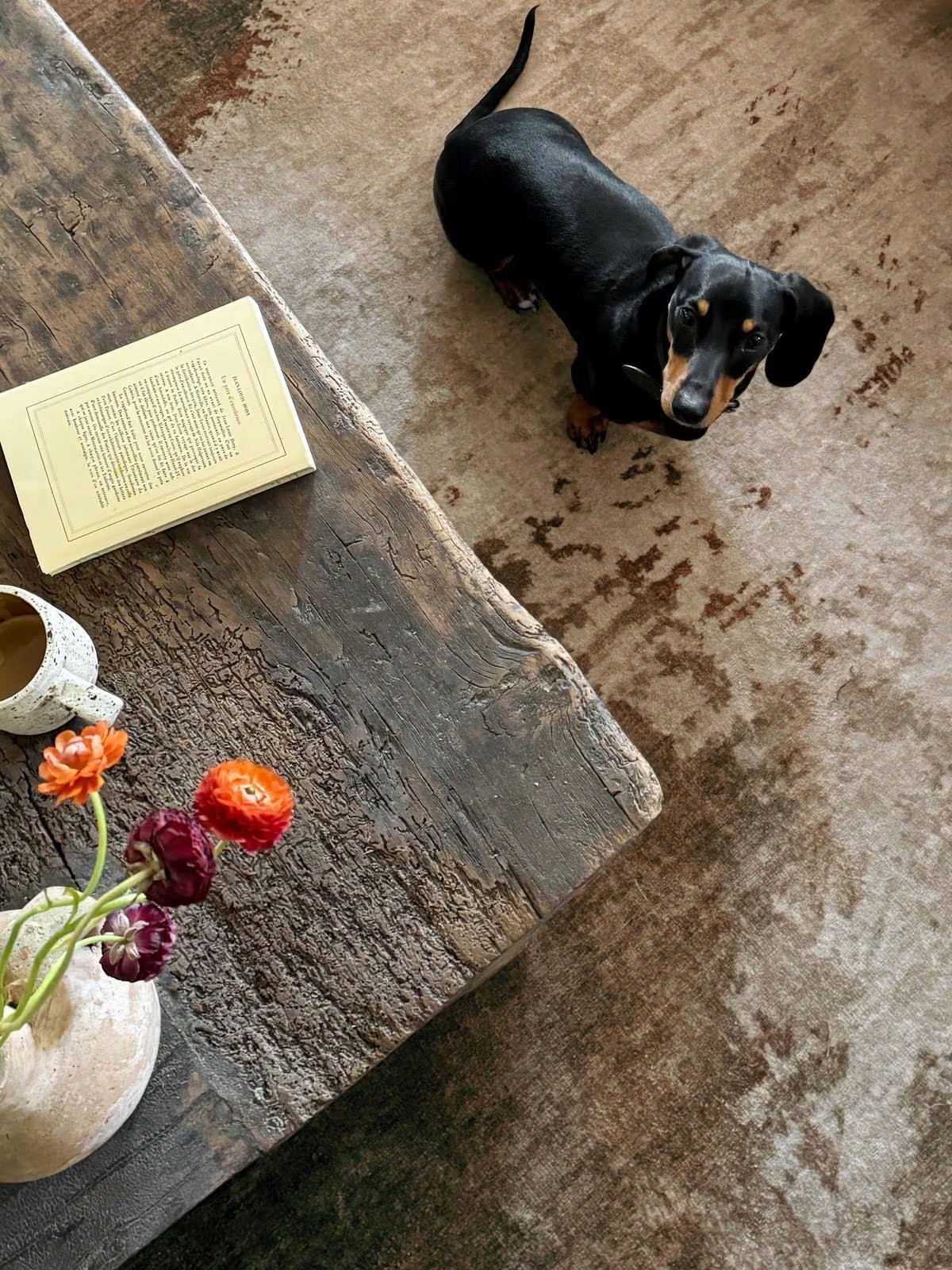
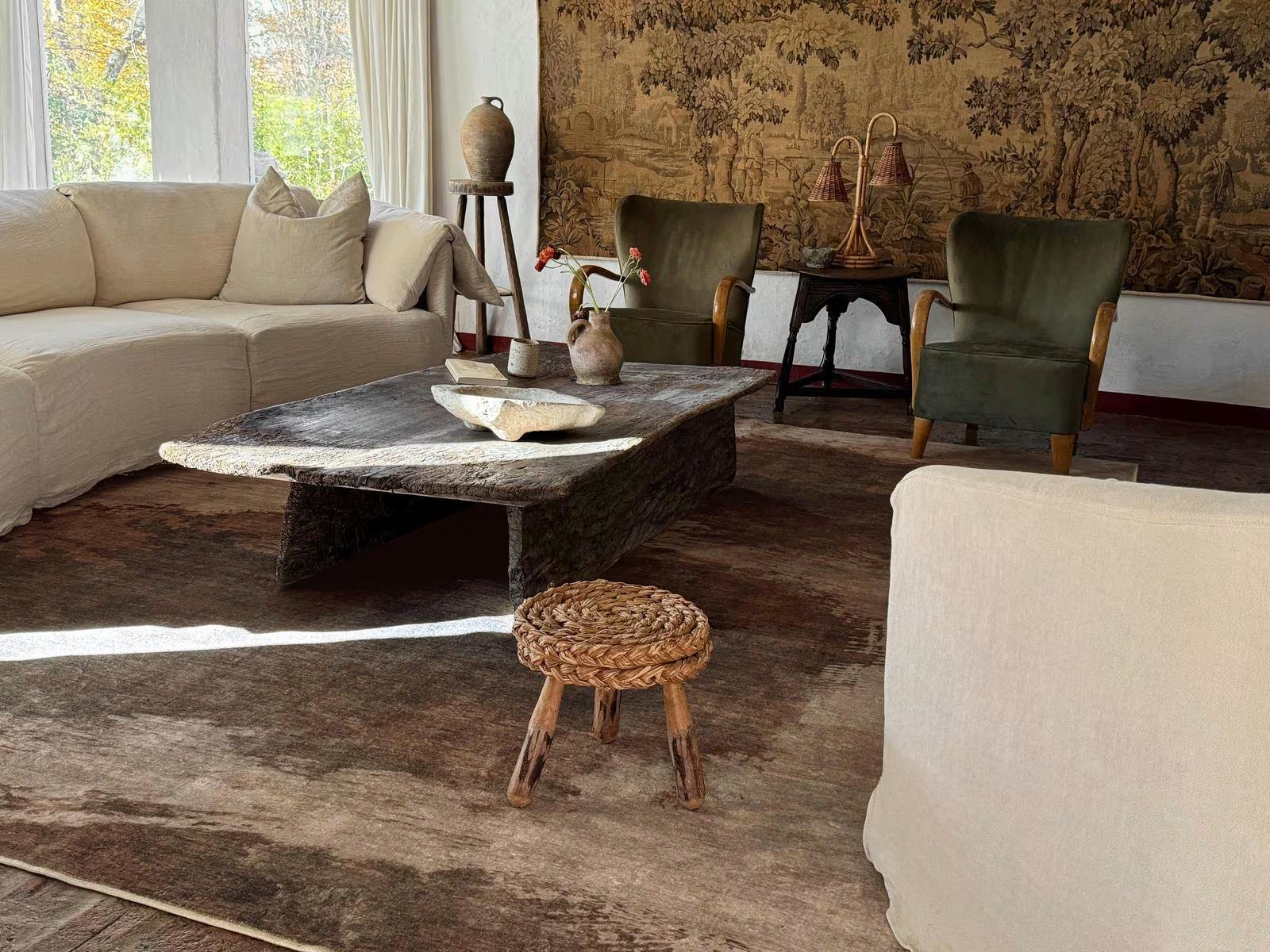
The archaic sensibility hones in on salvaged, raw beauty. Materials that evoke or literally come from the earth are key, and vintage furniture is a natural approach to decorating this look. “Fossil-inspired textures,” Claire says, “are an essential point of reference. Mottled colors and intricate imprints add a sense of historical depth and mystery.” Tip: Veer away from items that have been intentionally distressed — these can look more shabby chic than historically ancient. Cassandra suggests keeping your eye out for pieces made with “raw, unfinished, almost primitive wood that gives a sense it’s been darkened by age. You’ll really want to find pieces with an authentic, patinaed aesthetic.”
You’ll have to be patient in styling this trend, and train your eye to see new life in well-loved pieces. But if you’re a little impatient—and, honestly, we get it—a rug that emulates an earthy texture is a quick way to get a big impact fast. Guide your eye towards light taupes and beiges to compliment midtones of copper, charcoal, and browns. The Jorda Bronze Natural Rug, with its patina-like raw edges, creates an organic, grounding space to build off of. “One great thing about this trend is that it doesn’t have to be expensive,” says Cassandra. “It’s this idea of collecting things over time and finding old treasures. I love scouring flea markets and Etsy for everything from vintage pottery to deadstock fabrics.” Cassandra’s best home decor hack? “Sourcing slubby linens to get your own pillows made.” Raise your hand if you didn’t even know you could do that.
Get the look: Ruggable x Architectural Digest Jorda Bronze Natural Rug
Incorporate Stone Age Materials
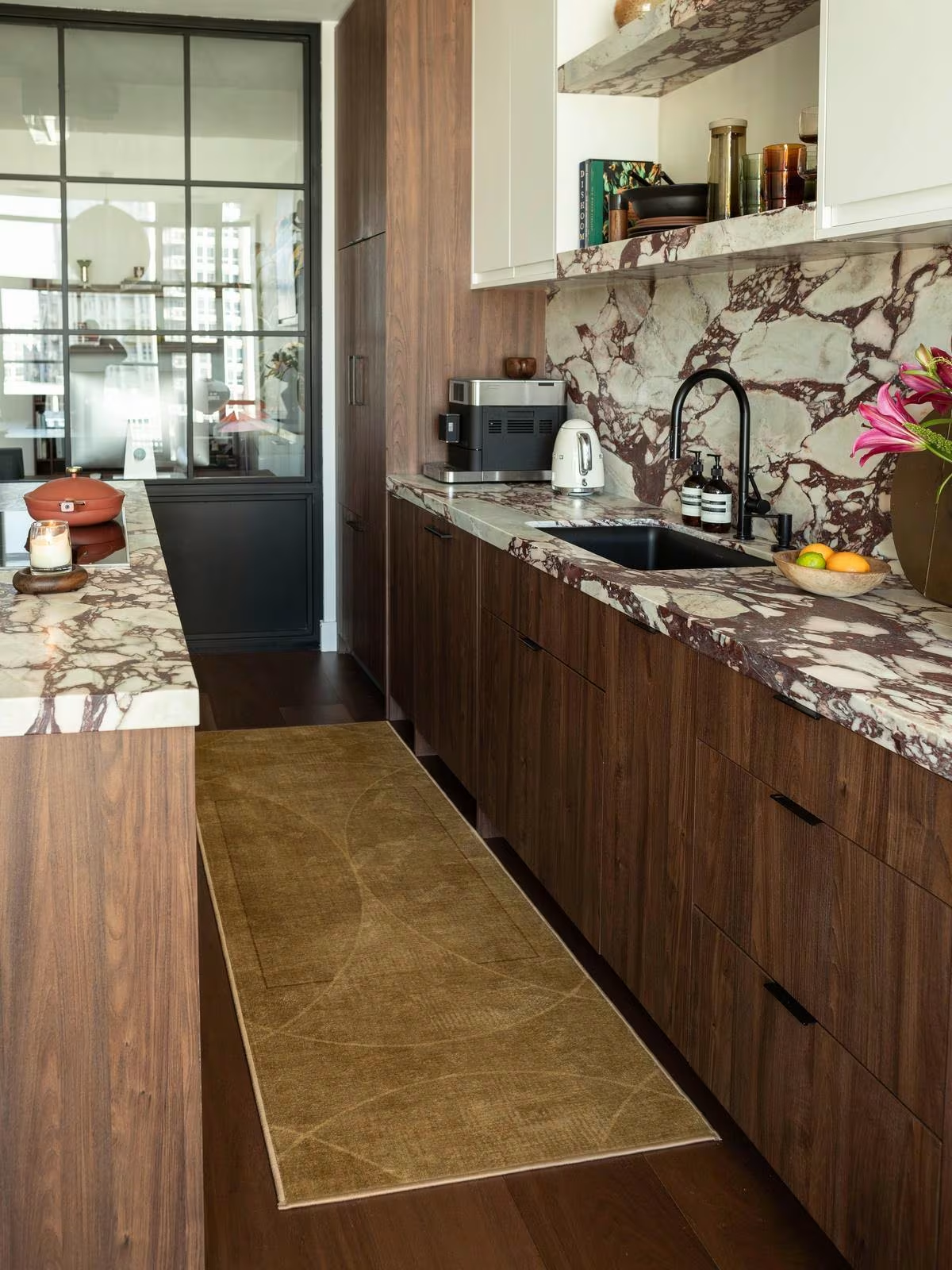
The emphasis on the archaic trend is a return to nature and honing in on (not to be dramatic) the literal building blocks of life. Finding materials with little human intervention is a must. Archaic design has this transcendent, ethereal aesthetic to it — you want the feeling of stepping into another world. “Earthy elements such as sandstone walls and textured mineral finishes provide grounding,” Claire says, “and luxurious materials like marble and granite countertops introduce a sense of permanence.” Whether you’re a renter or simply not quite at the stage of ripping out countertops, a quick and easy way to introduce luxurious material is with a gold-shaded runner, like the Ayla Gold Rug. This gives a rare-earth vibe and a gilded effect that gives an instant refresh to any space.
If you are in the market for a total kitchen remodel but don’t have the budget for full marble, you may be tempted to go for quartz. While a popular choice in kitchens today, quartz countertops do have a sense of artifice to them, because they're engineered using ground quartz, resin, and pigments to look like marble. “A natural stone is going to give you that much more impact,” says Cassandra. Instead, consider quartzite: “it’s a natural material that’s a bit more porous, so you’ll need to make sure it’s been sealed well, but it’s less expensive and much more heat resistant.” When it comes to backsplash, we’re moving away from glossy subway tiles towards more earthy, grounded materials. “Opt for terracotta or Saltillo tiles — a soft, smooth clay tile that comes in a lovely array of warm tones — or even aged brick,” says Cassandra. “The popularity of high-shine tiles don’t fit this trend, as they evoke too much of the urban experience.”
Get the look: Ruggable x Architectural Digest Ayla Gold Rug
Build a Nurturing Color Palette
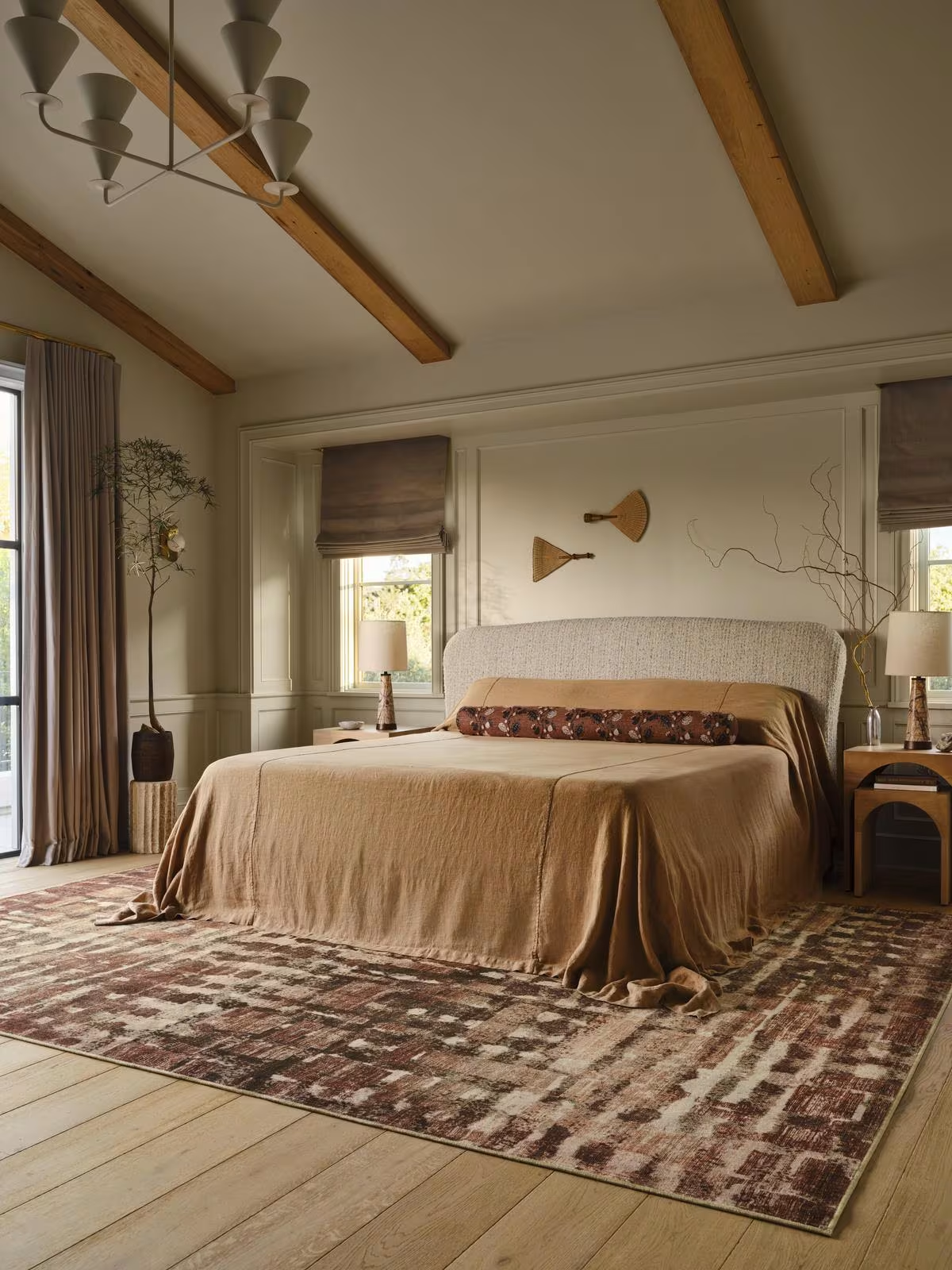
Pantone nailed it with their color of the year. Mocha mousse is the perfect anchor to build a palette around — a rich, earthy brown that can act as the groundwork for complimentary tones like elegant amber, rust and clay, and pops of verdant green. A Neolithic-inspired neutral color palette certainly focuses on a rich spectrum of neutrals, but also infuses berry tones and deep blues. Adding pops of color blends ancient and futuristic elements, setting you up for visual harmony. If you’re worried you’ll end up with a sea of brown and tan, look to nature. There is so much color in nature to draw upon. “You can see this in these paint-stroke rugs that evoke handmade materials, dyed from plants and organic matter from the earth,” says Cassandra. Before mass production, pigments were made from whatever was available in or around the earth. Ancient Egyptians, around 3000 BC, first made blue from sand and copper ground into a paste. Plant and vegetable dyes were popular, too, and the ancient way of producing pigments is still used by artists and artisans today.
When it comes to our collaboration with Architectural Digest, our designers examined ancient artwork of early humans and drew upon their motifs. The creative process, Claire shares, “involved incorporating decorative imperfections — like those found in natural weaves and fibers—to honor the beauty of the unfinished, much like the ancient artisans who celebrated the irregularities in their work. Drawing from the primal beauty of nature and early human craftsmanship, we embraced raw materials and textures that evoke a sense of timelessness.” Rugs that emulate the perfectly imperfect look of earthenware, clay, and moss — like the Brooklyn Copper Clay Rug, for instance — add a beautiful layer of depth to an otherwise neutral space.
Get the look: Ruggable x Architectural Digest Brooklyn Copper Clay Rug
Balance Rough Surfaces with Soft Textures
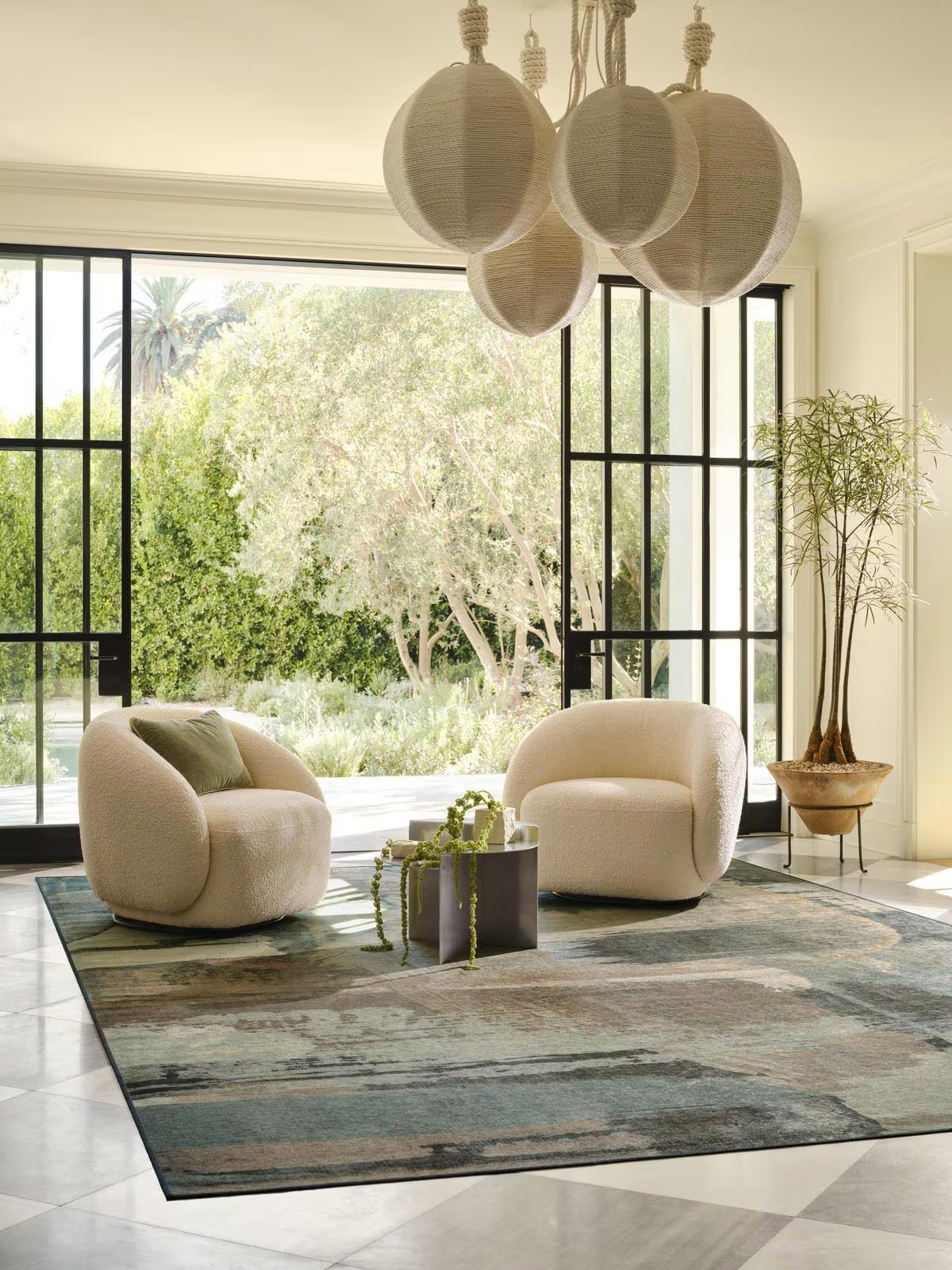
The archaic trend embodies a return to the primitive with an emphasis on the totemic, like the subtle celestial designs you’ll see as motifs throughout this collaboration. In designing these rugs, Claire explains that these ethereal symbols “wove in a sense of the cosmic that bridges the past with the present, creating a harmonious blend of ancient and contemporary aesthetics.” Visual consonance is a guiding principle to any interior, but it’s essential when creating a cavernous, archaic space. Tip: the cave-painting effect can be abstracted in a large area rug with a mixture of colors. Bold strokes in contrasting colors —as in the Lydos Stone & Indigo Rug or Dresden Shadow Multicolor Rug — play well off of tufted furniture pieces in soft neutrals.
Consider swapping out drawer pulls and other hardware elements with copper, which naturally oxidizes over time, or burnished brass–similar to unlacquered brass, but less expensive. These elements are in perfect harmony alongside raw linens and woven tapestries, specifically “mudcloth and grasscloth—super raw and highly textural fabrics that evoke a sense of living in concert with the earth,” Cassandra explains. But you don’t have to go fully off-grid to embrace the archaic sensibility. “Infuse warmth and modernity,” Claire suggests, “by adding vibrant, plush furnishings.”
Get the look: Ruggable x Architectural Digest Dresden Shadow Multicolor Rug
Want to bring archaic-inspired design into your home? Check out our new Ruggable x Architectural Digest collection for all the rug designs inspired by this emerging trend.
More From The Blog


Sara McGrath
Sara McGrath is a Los Angeles-based, Bay Area-born copywriter and cartoonist. She boasts 10+ years of experience in e-commerce, luxury fashion, beauty, wellness, and interior design
Follow Me