Rug Guide
Rug Pairing Guide: How to Pair Your Rug Color and Style With Your Floor
Your flooring is the literal foundation of your home’s style. Whether you’re working with the warmth of natural hardwood, the sleekness of marble, or the durability of laminate, the right rug is what brings the entire room together.
This rug pairing guide shows you exactly how to coordinate rug color, pattern, and texture with every flooring type so your space feels cohesive, balanced, and perfectly styled—without feeling overdesigned.
At a Glance: How to Pair a Rug With Your Floor
Quick Answer: To pair a rug with your floor, choose rug colors that complement your flooring’s undertone or create intentional contrast. Match bold floors with simpler rugs, neutral floors with patterned rugs, and always consider texture, lighting, and rug size for the best result.
Why Rug and Floor Pairing Matters
A well-paired rug does more than look good—it improves how your space functions, feels, and holds up over time.
Creates visual flow: Rugs help bridge flooring, furniture, and décor for a cohesive, intentional look.
Adds comfort: Softens hard surfaces like tile, stone, and concrete—both visually and underfoot.
Defines space: Anchors seating areas, clarifies room boundaries, and adds structure to open layouts.
Protects your investment: Rugs shield high-traffic areas, helping prevent scratches on hardwood and chips in tile or stone.
Improves acoustics: Hard floors can create echo and noise; rugs absorb sound and make rooms feel quieter and more intimate.
Enhances safety & stability: Rugs provide grip on slick surfaces—especially when paired with a rug pad—reducing slips for kids and pets.
Supports temperature control: Rugs act as insulation, keeping rooms warmer over cold tile or stone during winter months.
Adds flexibility: Rugs allow you to update style and color without replacing permanent flooring.
Your rug doesn’t need to match your floor—but it should relate to it in a way that feels intentional, balanced, and livable.
How to Pair Rugs With Different Flooring Types
Rugs for Hardwood Floors
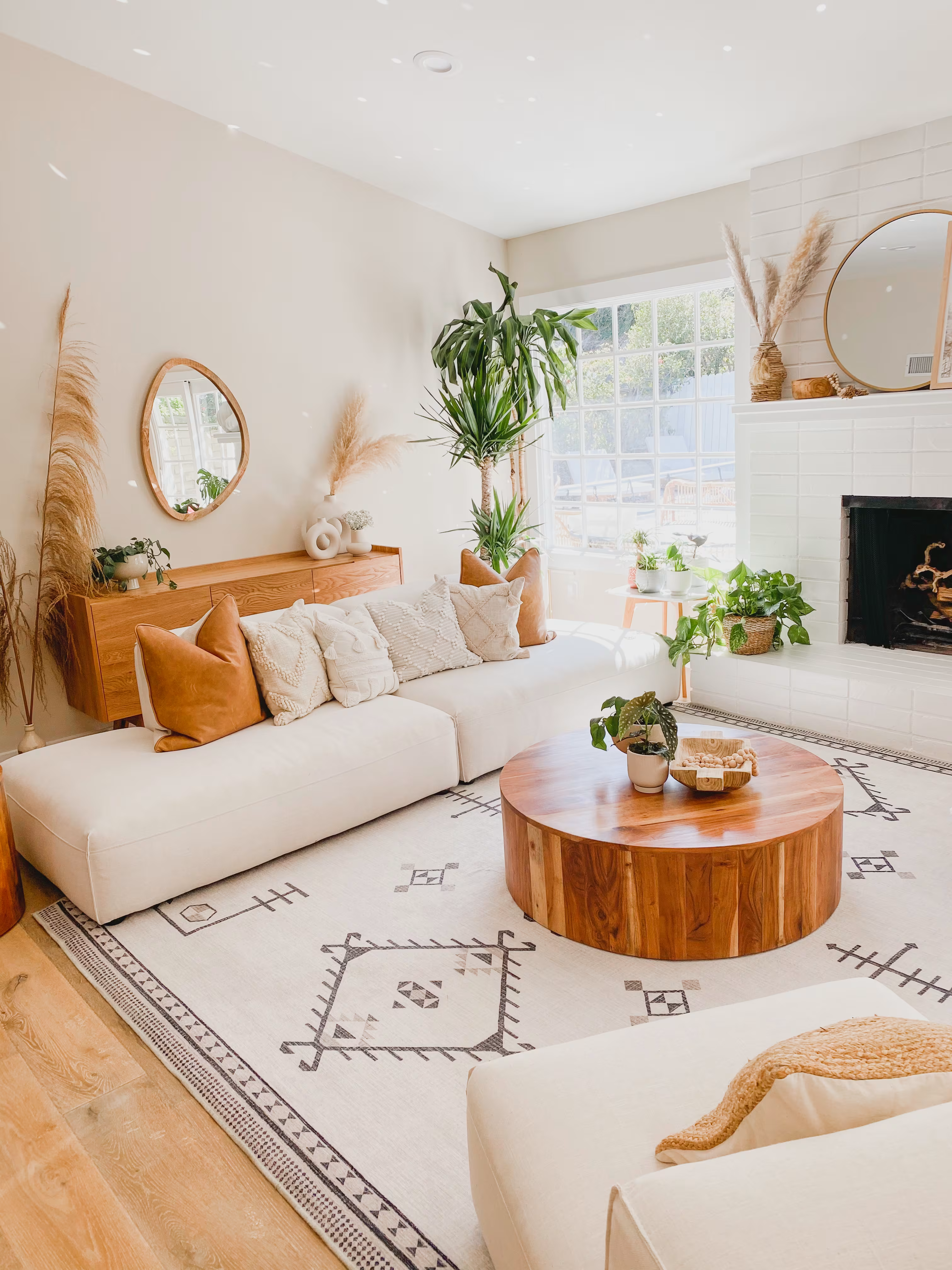
Hardwood floors bring warmth and natural texture to a room. When pairing rugs with wood floors, pay attention to undertones.
Warm wood floors (golden, red, honey tones) pair well with cool colors like blues, greens, and soft neutrals.
Cool or gray-toned wood floors work beautifully with warmer accents like caramel, rust, cream, or earthy patterns.
Intricately patterned rugs—such as Persian, kilim, or Moroccan rug styles— that add depth, especially on darker wood floors.
Tip: Align your rug shape with the direction of the wood planks to create a more cohesive visual flow.
Rugs for Tile Floors
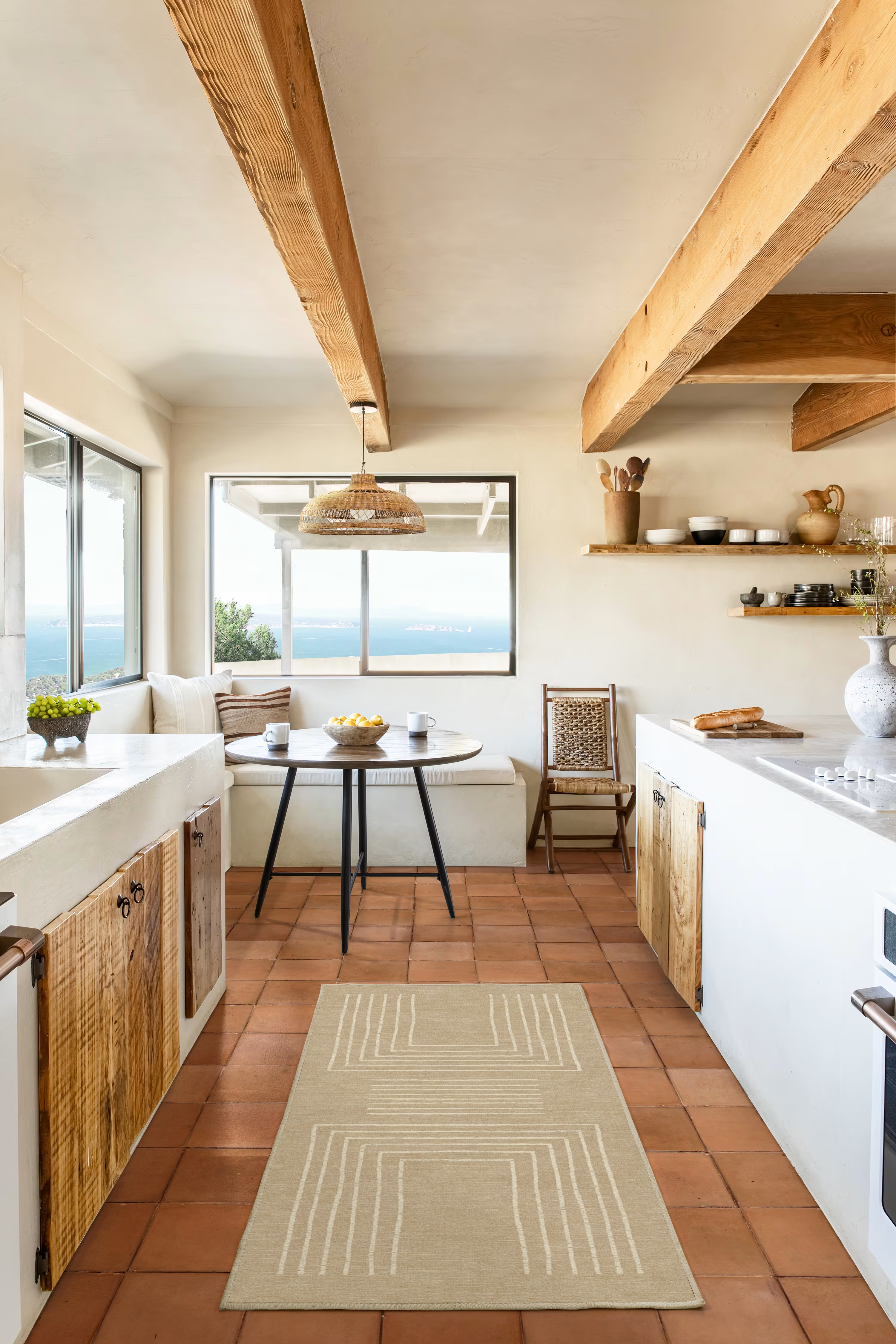
Tile floors often feel cool and sleek, making rugs essential for warmth and balance.
Contemporary tile pairs well with clean-lined rugs or subtle patterns.
Black-and-white or cool-toned tile works best with rugs that have cool bases.
Creamy, warm tones in your flooring will be complemented by neutral rugs.
Flatwoven or low-pile rugs are especially practical on tile, offering comfort without bulk.
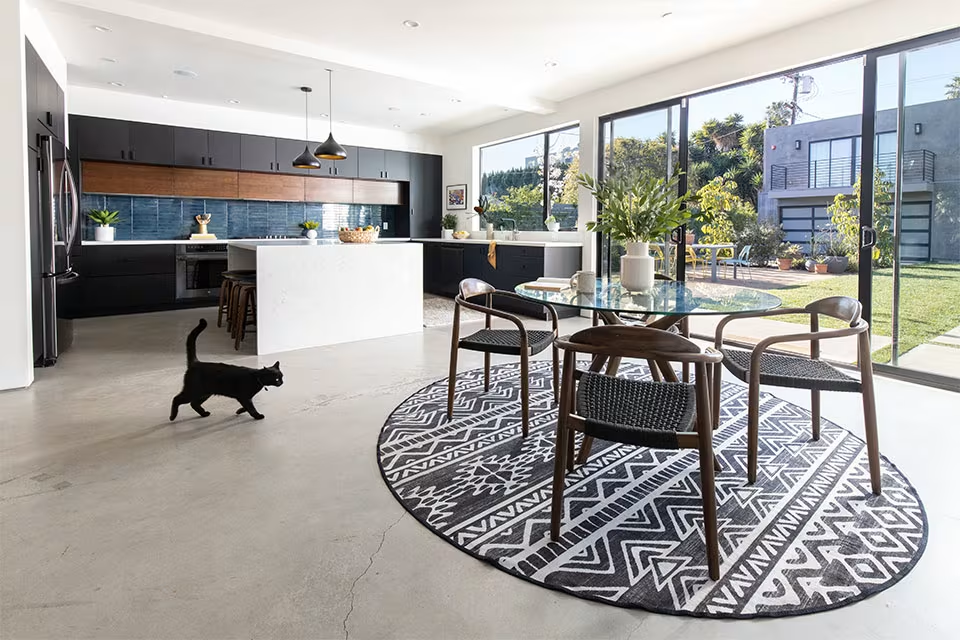
Rugs for Concrete Floors
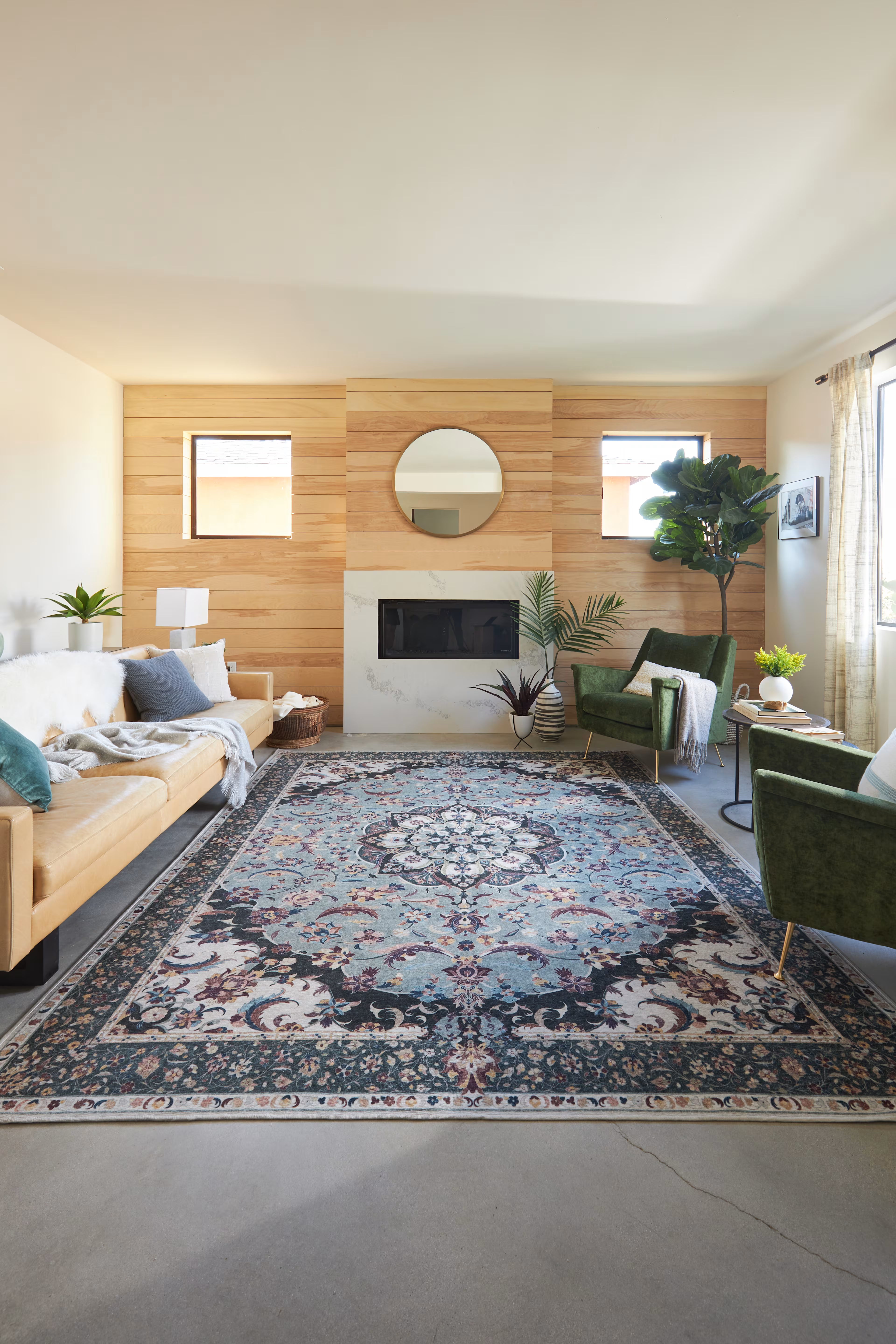
Concrete floors provide a neutral, modern base that works with nearly any rug style.
Richly patterned rugs add warmth and personality.
Deep, saturated colors create contrast against industrial finishes.
Layered textures help soften the hard surface visually and physically.
Concrete floors are ideal for experimenting with bold rug colors and statement designs.
Rugs for Marble and Stone Floors
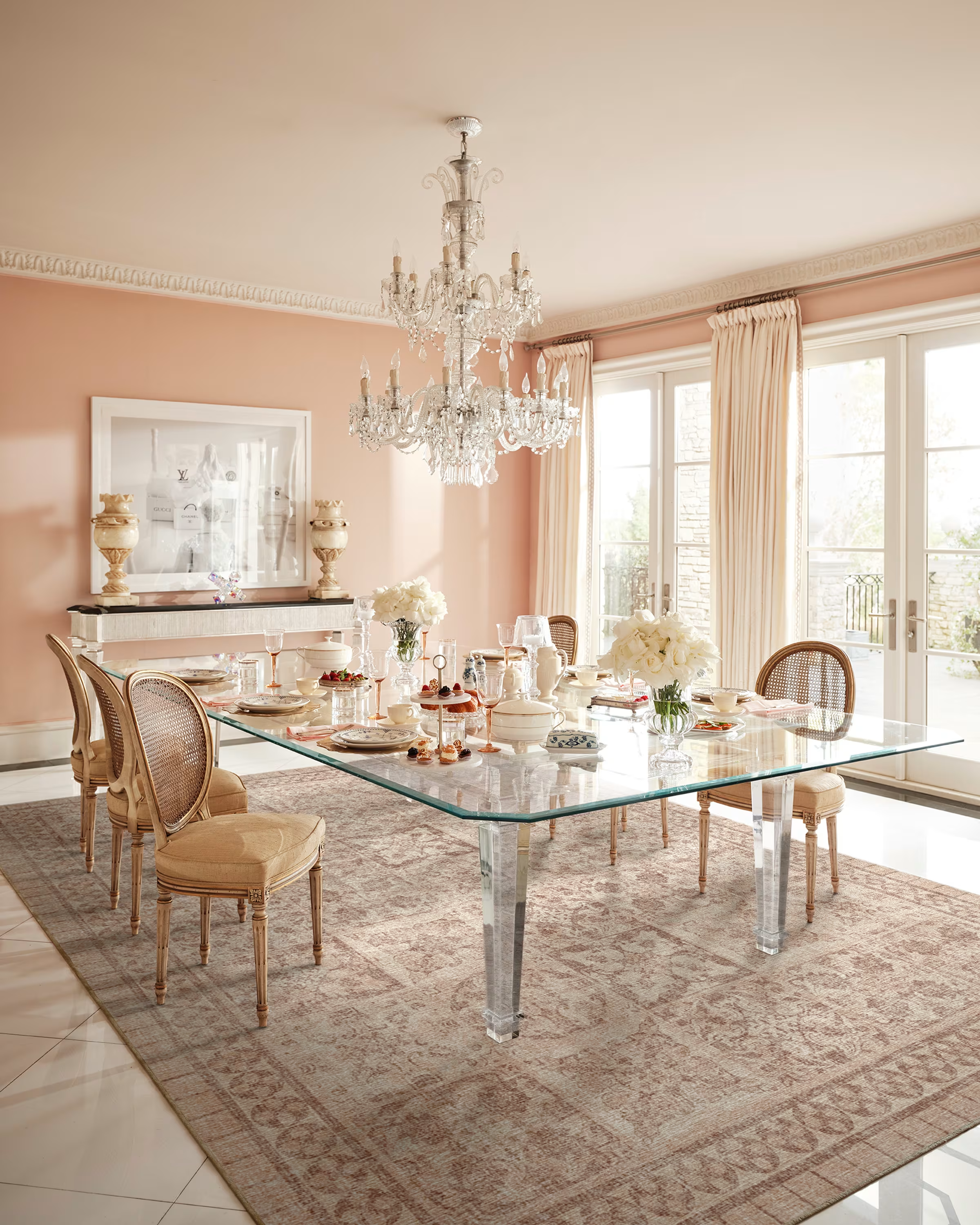
Marble and stone floors feel elegant but can appear cold and reflective.
Use rugs to introduce softness and warmth.
Textured or plush rugs balance polished stone finishes.
Choose rug colors that pull subtle tones from the stone for cohesion.
A well-sized rug also reduces slipperiness while creating a cozy landing spot.
Rugs for Laminate, Vinyl, Cork, and Linoleum Floors
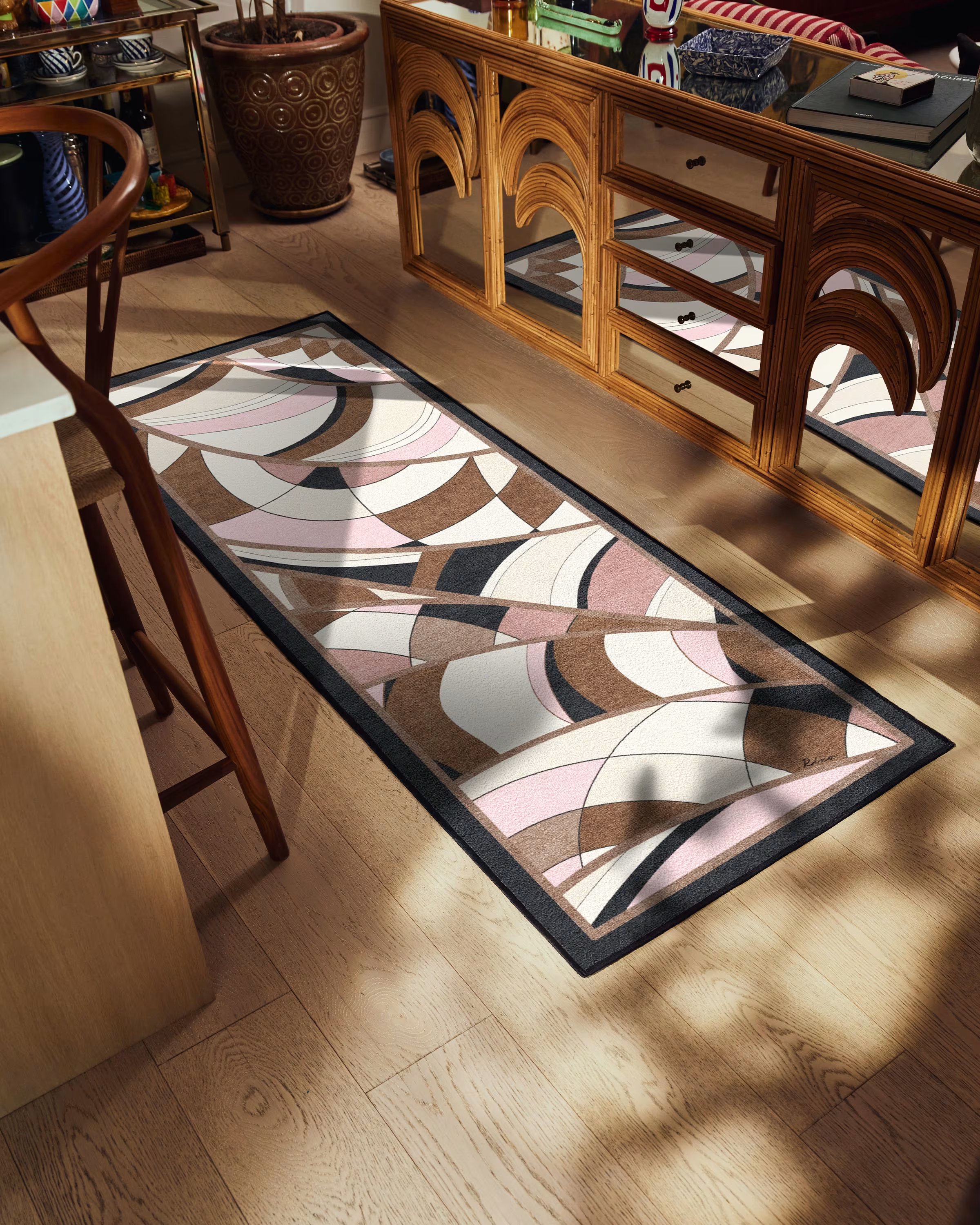
These versatile flooring options are durable and design-friendly—but they do require a bit of extra attention when it comes to rug materials and backing.
Start by identifying whether your floors lean warm, cool, or neutral to guide rug color selection.
Use rugs to elevate the look with texture, pattern, and depth, especially on simpler or printed floors.
Neutral floors allow more freedom to experiment with colorful or patterned rugs.
Material & backing matters:
For laminate and luxury vinyl plank (LVP) floors, always choose rugs with non-staining backings, such as woven cotton or polyester. Avoid rugs or pads with heavy rubber or latex backings that contain plasticizers, as these can cause permanent discoloration over time. Ruggable rugs and rug pads are specifically designed to be safe for all common flooring types, including laminate and vinyl. For added stability—especially in dining rooms or spaces with rolling furniture—selecting the appropriate rug pad helps protect your floors while keeping your rug securely in place. Washable rugs are especially practical here, making them ideal for kitchens, playrooms, dining areas, and other high-traffic spaces.
How to Pair Rug Color With Floor Color
Rugs for Dark or Black Floors
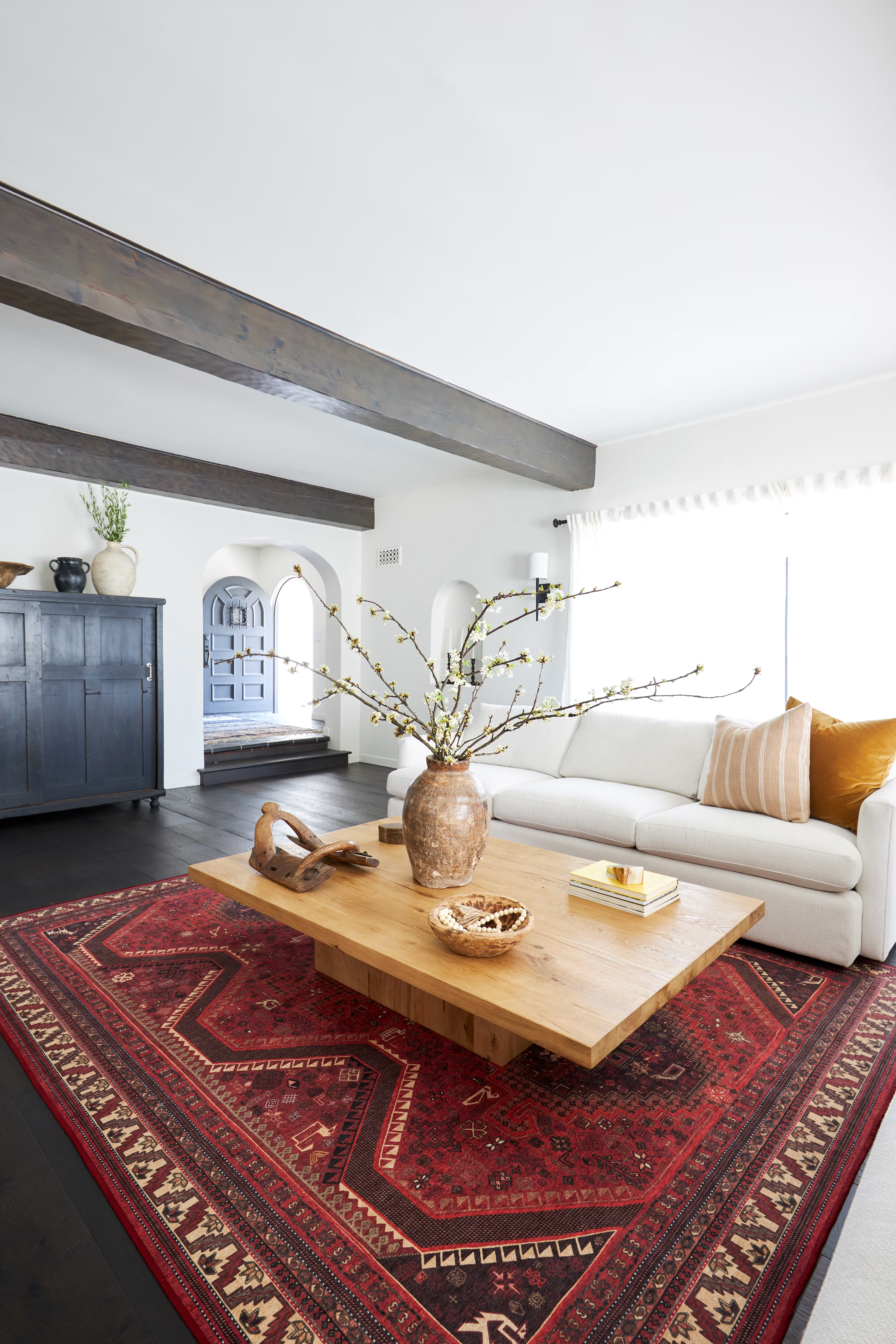
Dark floors pair beautifully with:
Intricate patterns
Jewel tones like sapphire, emerald, or rust
High-contrast black-and-white designs
Blue rugs work particularly well here, offering contrast without overwhelming the space.
Rugs for Light or Blonde Floors
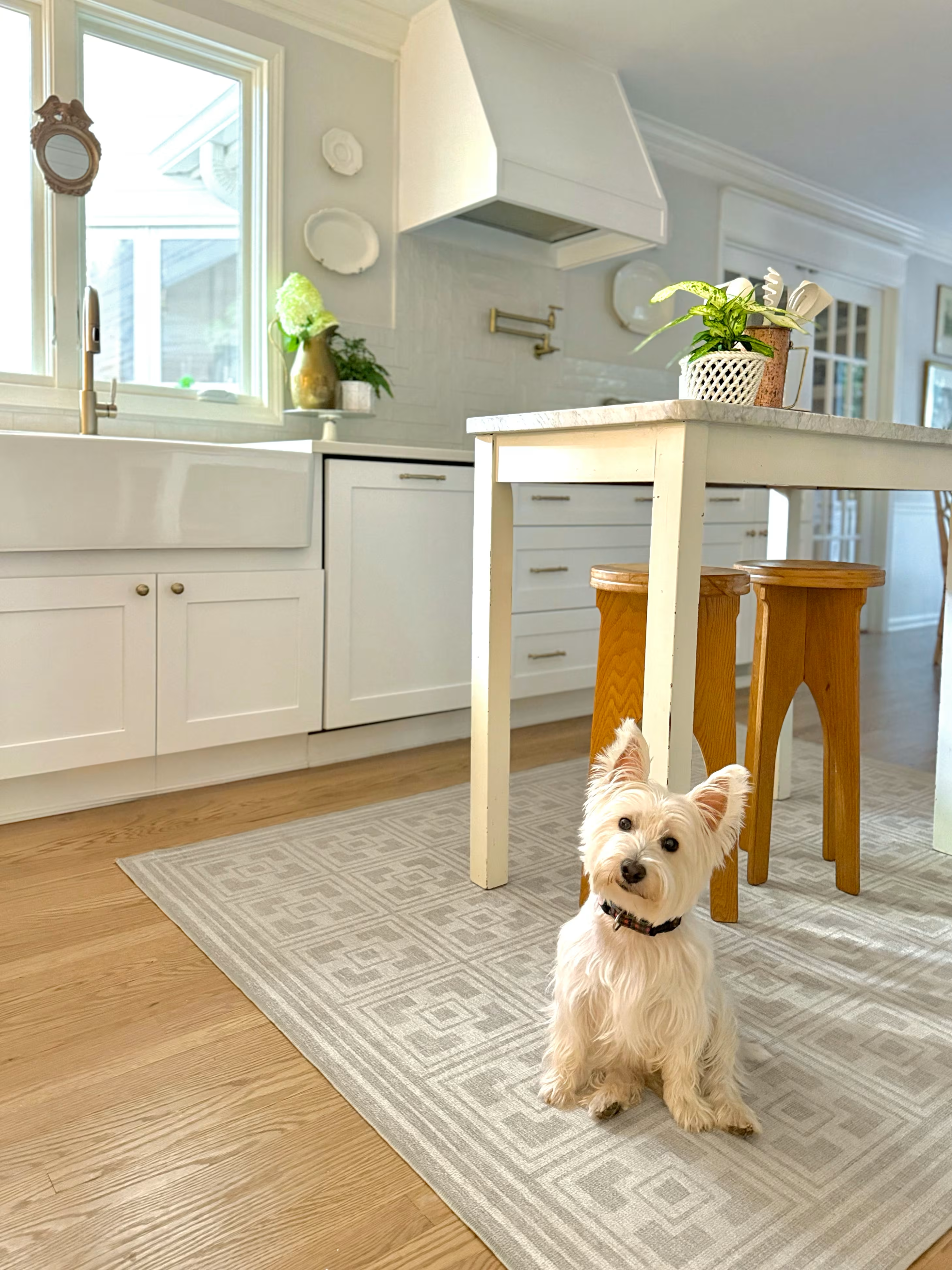
Light floors create an airy base that supports a wide range of rug colors.
Soft neutrals for a calming look
Deep blues and greens for contrast
Subtle patterns to add dimension
These floors are ideal for introducing colorful rugs while maintaining balance.
Rugs for Gray Floors
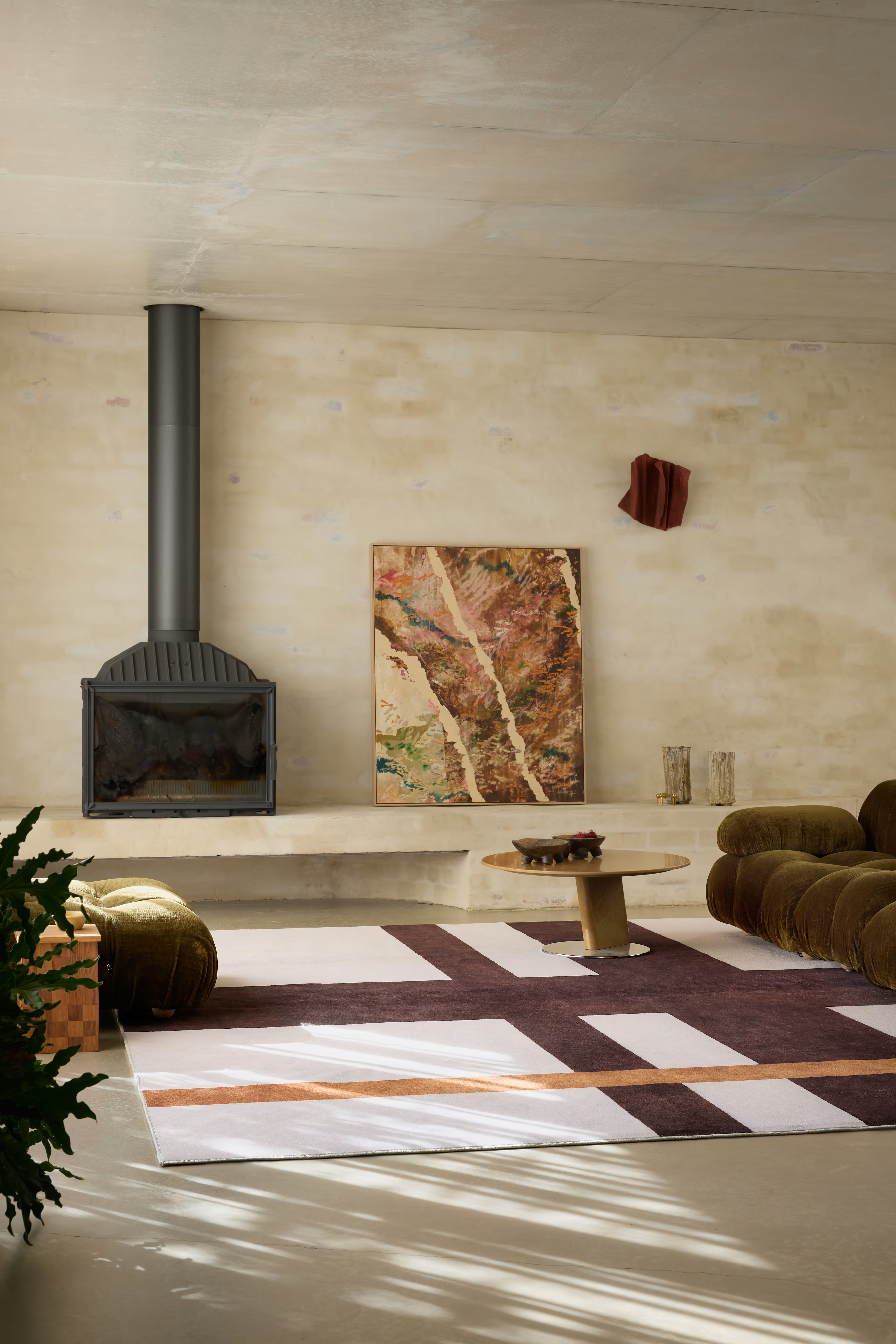
Gray floors act as a cool neutral.
Pair with warm accents like caramel, gold, or terracotta.
Graphic black-and-white rugs add modern edge.
Gray and cream combinations feel especially refined.
Rugs for White or Beige Floors
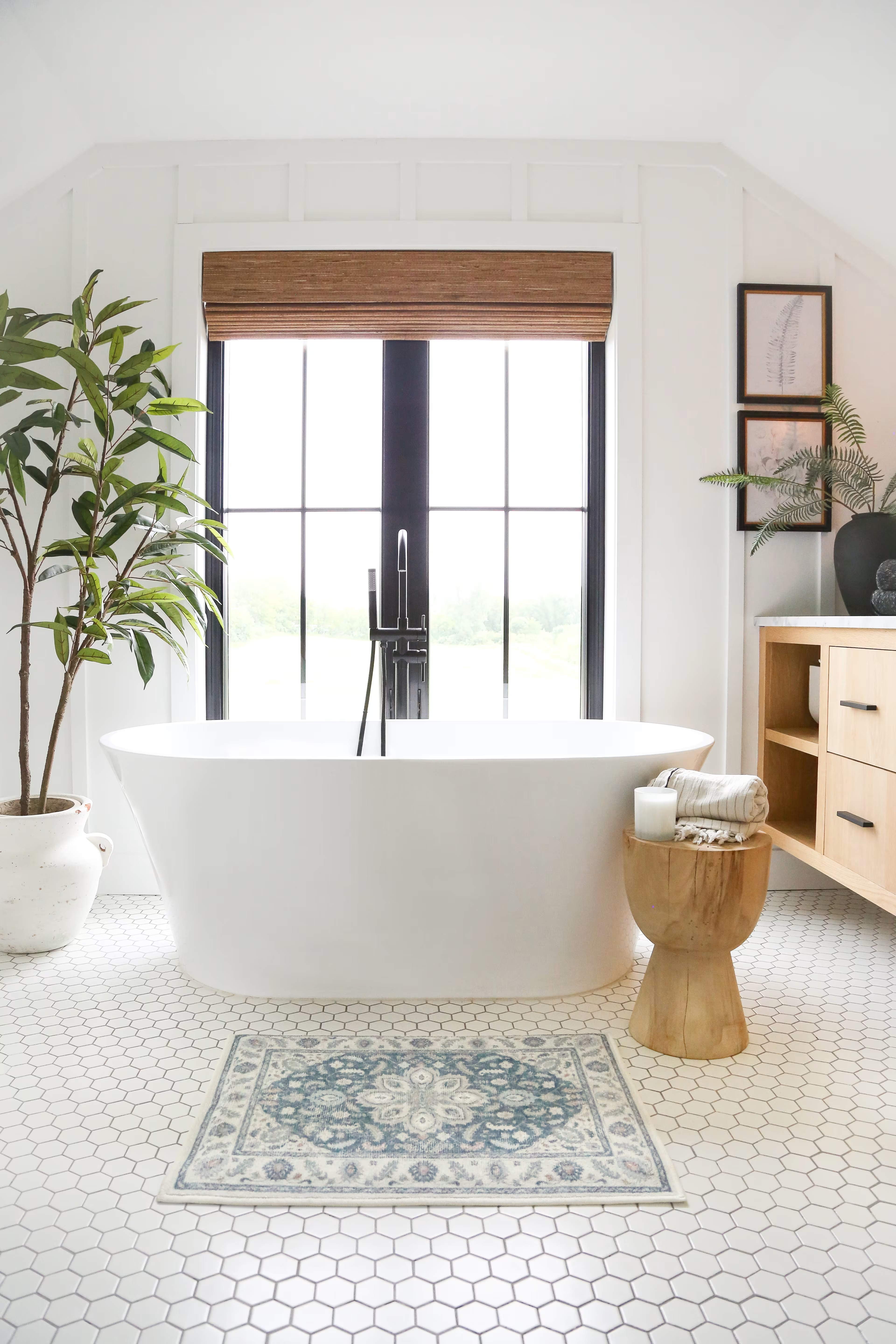
Light floors provide a blank canvas.
Darker rugs create contrast and anchor furniture.
Low-contrast rugs keep the room feeling open and expansive.
Patterned rugs help define zones in open layouts.
Don’t Forget Rug Size and Placement
Even the perfect rug color won’t work if the size is off. The right rug size helps ground furniture, define space, and improve flow. Always reference a rug size guide to ensure your rug fits the room and furniture layout properly—especially in living rooms, dining areas, and bedrooms.
Final Thoughts
Pairing your rug with your floor is about balance—between color, texture, contrast, and comfort. Whether you’re working with carpet, LVP, hardwood, tile, stone, or concrete, the right rug can elevate your flooring and anchor your entire space. Explore Ruggable’s collection of washable rugs to find versatile designs that make pairing style and function effortless—no matter what’s underfoot. Shop rugs by room to find the right fit for every space, or shop rugs by color to build a palette that feels cohesive from the ground up.
Rug Pairing FAQs
Identify your floor’s undertone (warm, cool, or neutral), then choose a rug that complements or intentionally contrasts it. Texture and scale matter just as much as color.
Both approaches work. Matching creates a seamless look, while contrast adds visual interest. Neutral floors are ideal for patterned or colorful rugs.
Hardwood floors pair well with rugs that reference their undertones. Blue rugs, greens, and warm neutrals are especially versatile choices.
Yes. A properly sized rug can visually minimize outdated or temporary flooring by shifting focus to furniture and decor.
Yes—this is known as layering. To make it work, choose a rug with a different texture than the carpet beneath it (for example, a flatwoven rug over plush carpet) to add dimension and contrast. Be sure to use a rug-to-carpet pad to prevent shifting, bunching, or creeping.
Absolutely. The right rug size helps define space and makes rooms feel larger and more cohesive.
More From The Blog


Ruggable
The Ruggable Team delivers home decor inspiration, practical rug care tips, and the latest interior styling trends. Our interior design enthusiasts and textile experts share creative ideas and easy-to-follow advice, helping you create stylish, comfortable, and easy-to-maintain spaces.
Follow Us