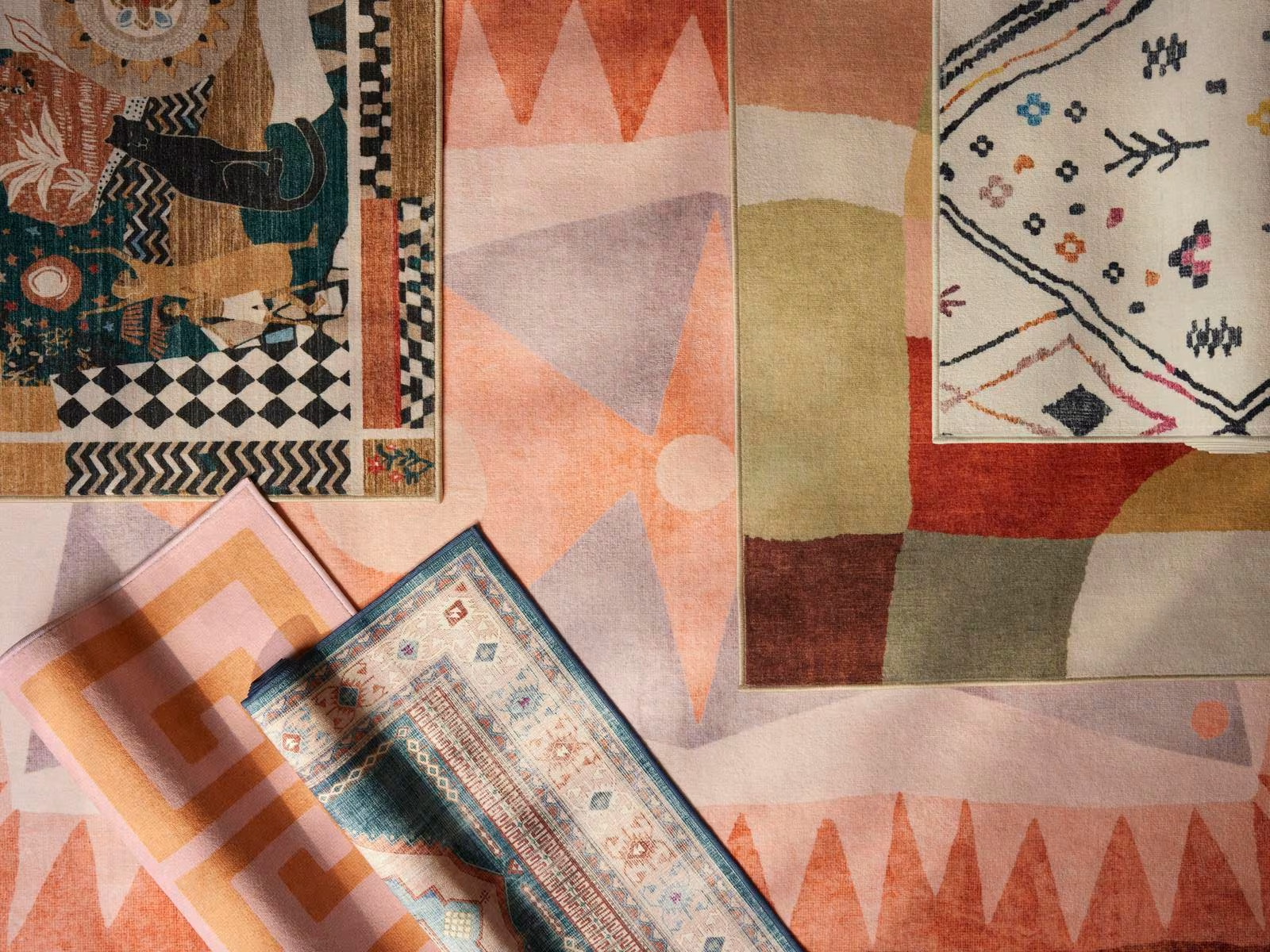
One rug grounds a room. Two rugs transform it. Rug layering is one of the most effective—and underused—styling techniques out there, and it works across practically any space: living rooms, bedrooms, dining areas, even rooms that already have carpet.
The basic idea is simple: start with a larger base rug to anchor the room, then layer a smaller rug on top to add personality, define a zone, or introduce color and texture. Done well, it looks intentional and curated—and with the right approach, that's easier to pull off than it sounds.
Whether you're pairing Re-Jute rugs with Persian-inspired designs or layering a Boho print over a Modern flatwoven, these five tips will help you layer rugs like you've been doing it for years.
1. How to Layer Rug Patterns
Layering rug patterns sounds like it could go sideways fast, but the principle is actually simple: contrast the scale, and let color do the connecting.
Start with a large-scale pattern as your base layer — a Persian-inspired design, a Traditional medallion, or a Boho print that anchors the room. Then layer a smaller rug with a tighter, more restrained pattern on top. The contrast in scale creates visual depth; the shared color palette holds it together.
This technique works especially well in living rooms and under dining tables, where you want the layered look to feel pulled together from across the room. The key rule: no matter how different the patterns are, they should share at least one anchor color that ties them both to the room's palette.
2. How to Layer Rugs of Different Sizes
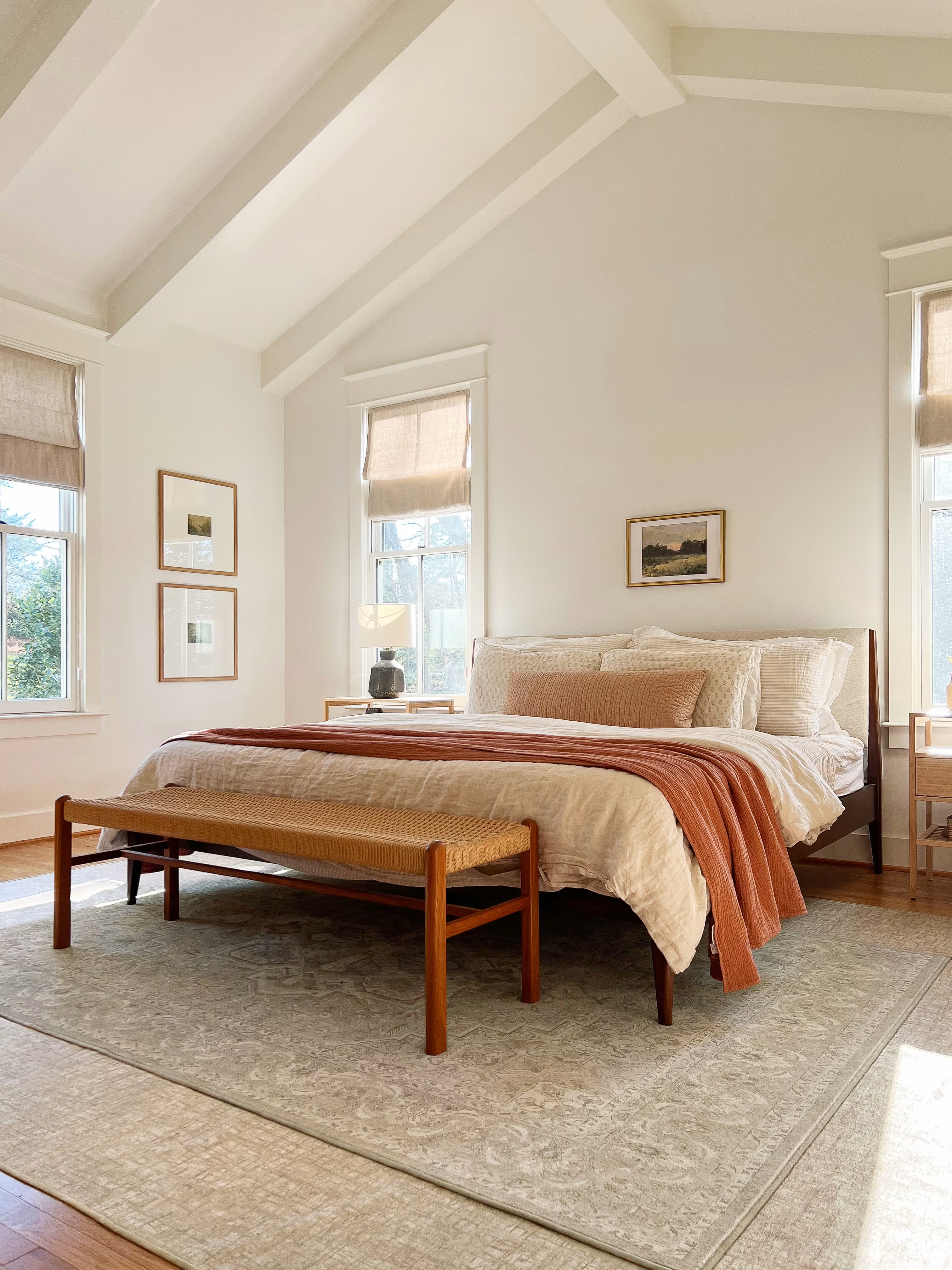
Rug size is one of the most important variables in rug layering, and getting it right is what separates a styled look from a cluttered one. The classic formula: the top rug should cover roughly 60 to 70 percent of the base rug’s surface, leaving the edges of the base rug visible on all sides. That visible border is what creates contrast and makes both rugs readable.
Start with a large neutral rug as your base to anchor the room—a Re-Jute or Flatwoven style works well here. It grounds the space without competing visually, and when it's time to clean, both layers come apart and go straight into the wash. Then place a smaller, more statement rug on top to create a focal point: a vibrant pattern near the dining table or a dimensional accent rug in the center of a seating arrangement.
This approach also works for defining zones in open-plan spaces. A large base rug establishes the room; a smaller top rug signals a specific area—a reading nook, a conversation corner, or a dining spot. Two rugs, two purposes, one cohesive space.
3. How to Layer Rug Textures

Layering different textures gives a room a tactile richness that a single rug just can't replicate. It's the difference between a room that looks styled and one that actually feels it.
The formula is straightforward: pair a flat, durable base with something with more dimension on top. A Flatwoven rug — smooth and low-profile — makes an ideal foundation, neutral enough to let the top rug take center stage. A Re-Jute brings an earthy texture with a gentle feel and works just as well as a grounding base layer. Then layer a Plush or Tufted rug on top for added softness and depth underfoot.
Texture layering works particularly well in living rooms and bedrooms — anywhere you want a warm, layered feel underfoot. It's also one of the most forgiving approaches, since even mismatched colors tend to work when the textures are doing the heavy lifting. And because both Ruggable layers are machine-washable, maintaining that layered look is as simple as washing each piece on its own schedule.
4. How to Layer Rug Colors

Color layering is where you get to have a little fun—and the range here is genuinely wide. You can go tonal and understated, or bold and maximalist. Either way, the goal is intentionality, not accident.
If you prefer a quieter look: start with a neutral or muted base rug that anchors the room. Then layer a second muted tone on top to keep the look balanced and warm. The two colors don’t need to match, but they should be in the same temperature family so the room feels cohesive.
If you want to go bolder: commit to a complementary pairing and let both rugs hold their own. Rug colors should share enough contrast to feel electric rather than chaotic.
The rule that holds across both approaches: make sure the colors you’re layering already exist somewhere else in the room—in your furniture, pillows, or wall color. That connection is what makes the layering feel pulled together rather than like an afterthought.
5. How to Layer Rugs of Different Shapes

Shape layering is the move that surprises most people—and one that often gets the best results. The logic: different shapes create visual contrast and add an unexpected element that makes a room feel more designed.
The most reliable combination is a large rectangular rug as the base with a round rug layered on top. The contrast in geometry is immediate and striking, and the round rug softens the angular lines of furniture and architecture in a way that feels intentional. It works especially well under a round coffee table or centered in a seating arrangement.
When layering shapes, always think about how the arrangement relates to your furniture. A round rug centered under a coffee table, layered over a large rectangular base, creates a focal point that anchors the entire seating area. Oval and irregularly shaped rugs offer similar softening effects with slightly more edge.
Ready to Layer?
The best part about layering rugs is that there’s room to experiment. Start with a neutral base, add a top rug that feels like you, and adjust from there. The “rules” are really just starting points—the goal is a space that feels layered, warm, and worth walking into.
Explore Ruggable’s full range of washable rugs in every style, pattern, texture, and size—and find the combination that transforms your space.
Frequently Asked Questions About Layering Rugs
Rug layering is the practice of placing one rug on top of another to add depth, define zones, or introduce contrast in color, pattern, or texture. It works across living rooms, bedrooms, and dining spaces — and is one of the most effective styling techniques for making a room feel finished and intentional.
Start with a larger base rug to anchor the room, then layer a smaller rug on top covering roughly 60 to 70 percent of the base. Connect both rugs through color — even if patterns and textures differ, a shared color palette holds the look together and keeps it from feeling accidental.
The most successful combinations pair a large neutral base — a Re-Jute, Flatwoven Rug, or solid rug — with a smaller, more decorative top rug. For texture, pairing a smooth Flatwoven Rug or earthy Re-Jute base with a Plush All-in-One Rug or Tufted All-in-One Rug on top creates the most contrast. For pattern, a large-scale Persian or Traditional design as the base with a tighter Boho or Modern print on top keeps things readable. For color, staying within the same temperature family — warm with warm, cool with cool — keeps the look cohesive without being matchy.
For layered living room rugs, start with a large neutral base — a Flatwoven Rug or Re-Jute — sized to anchor your seating arrangement. Layer a smaller Persian, Boho, or Modern rug on top, centered under the coffee table. Keep the base rug's edges visible on all sides for contrast, and connect both rugs through at least one shared color from your furniture or decor.
Bedroom rug layering works especially well with a large neutral rug under the bed as the base, providing a soft landing on both sides when you get up. Layer a smaller accent rug at the foot of the bed to add a moment of color or pattern. This is also a practical way to fill the footprint of a king-size bed without needing one very large statement rug.
Yes, as long as you contrast the scale. A large-scale pattern as the base with a smaller, tighter pattern on top creates visual interest without chaos. Keep both rugs connected through at least one shared color so they feel like a deliberate pairing rather than two separate rugs that ended up in the same room.
Yes. A Flatwoven Rug works best on carpet since it's less likely to shift or bunch underfoot. A Re-Jute is another reliable choice — it stays flat, adds definition, and doesn't add excessive height. Both are machine-washable, so even in high-traffic areas, maintenance is straightforward.
With Ruggable, no separate rug pad is needed — each rug system includes a non-slip pad built in. When layering, the base rug's pad grips the floor, and the top rug's cover can be placed directly over the base system. For layering on carpet, a Flatwoven Rug or Re-Jute as your base provides the most stable foundation without excessive height.
With Ruggable, cleaning layered rugs is simple: separate the two layers, remove the rug cover from each system, and machine-wash them individually. Because each cover detaches from its pad, you never have to move furniture or haul a rug to a cleaner — you just wash, dry, and re-layer.
More From The Blog


Ruggable
The Ruggable Team delivers home decor inspiration, practical rug care tips, and the latest interior styling trends. Our interior design enthusiasts and textile experts share creative ideas and easy-to-follow advice, helping you create stylish, comfortable, and easy-to-maintain spaces.
Follow Us