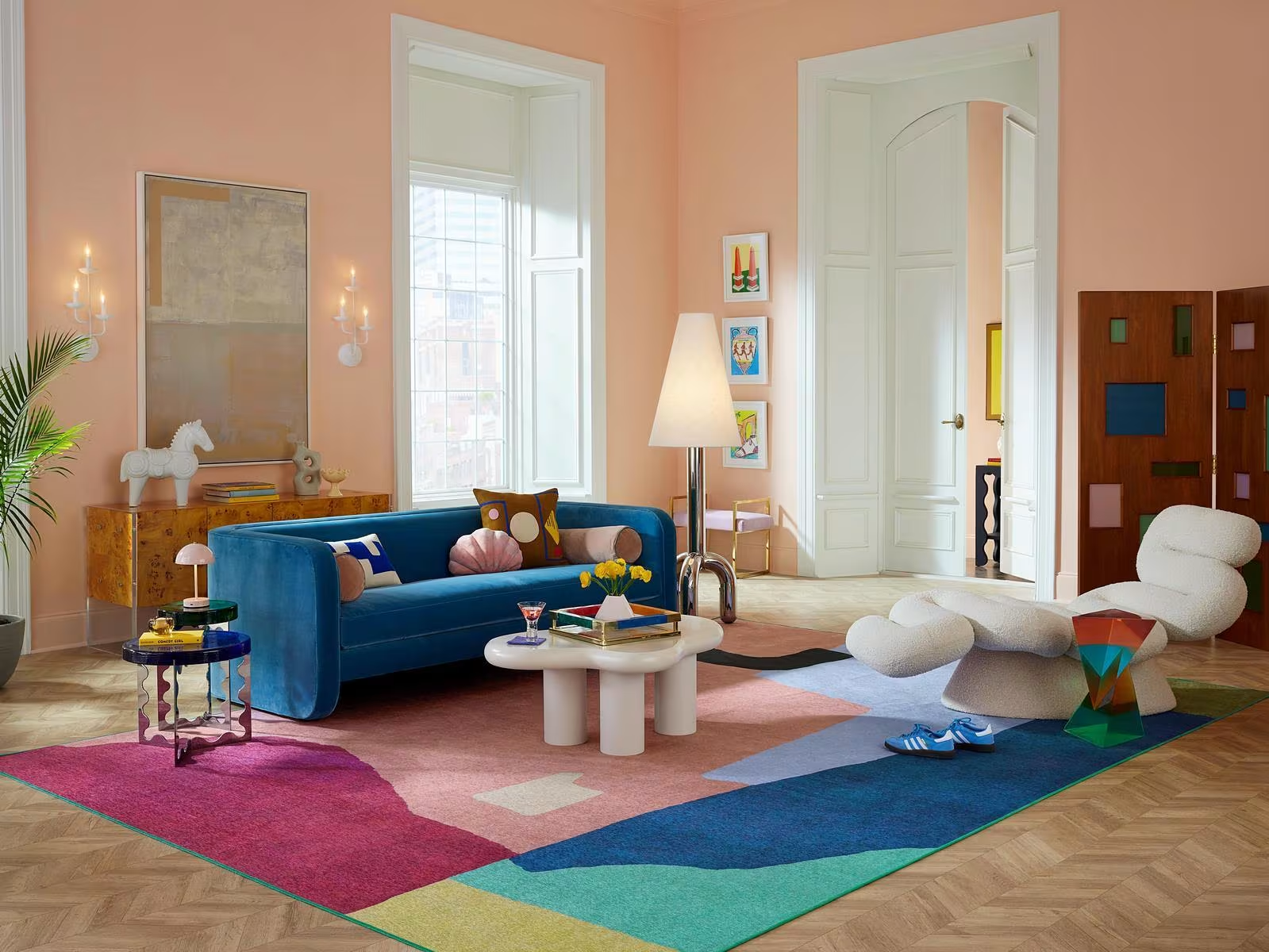
Creating a cohesive color palette for your living room doesn’t have to feel overwhelming. With the right framework (and a few thoughtful design choices) you can build a space that feels balanced, expressive, and easy to live in.
Whether you’re starting from scratch or refreshing an existing space, this guide walks you through how to choose a color palette for your home, with practical tips for selecting rug colors, layering textures, and designing a living room that feels intentional from the ground up.
Why Your Living Room Color Palette Matters
A well-designed color palette does more than look good—it shapes how your living room feels, functions, and holds up to everyday life.
Defines the Space: Visually anchors your furniture and creates seamless flow between zones, especially in open-concept layouts.
Improves Comfort: Balanced tones prevent a room from feeling “too busy,” which can create mental clutter, or “too flat,” which can feel uninspiring.
Supports Flexibility: A strong foundation makes it effortless to swap out seasonal accents or trends without a full redesign.
Enhances Mood: Color has a direct psychological impact on whether a space feels like an energized social hub or a calm sanctuary.
Optimizes Room Proportions: Strategic color choices can make a small living room feel more expansive or a large space feel cozy and grounded.
Simplifies Decision-Making: A locked-in palette acts as a yes/no filter, making future décor purchases faster and more confident.
Manages Natural Light: The right tones can brighten a dim, north-facing room or soften harsh afternoon sun in brighter spaces.
Hides or Highlights: Guides the eye toward focal points like a fireplace—and away from things you’d rather downplay, like bulky electronics or floor wear.
Communicates Design Style: Instantly signals your aesthetic, whether you lean Japandi, Mid-Century Modern, or Maximalism.
Protects High-Traffic Living: Forgiving tones and patterns help disguise the realities of kids, pets, and everyday messes.
Reflects Your Personal Story: Creates a space that feels intentional and uniquely yours—not just a collection of unrelated pieces.
Living rooms work hardest in the home, which is why thoughtful color planning makes such a big difference.
Step 1: Find Your Inspiration
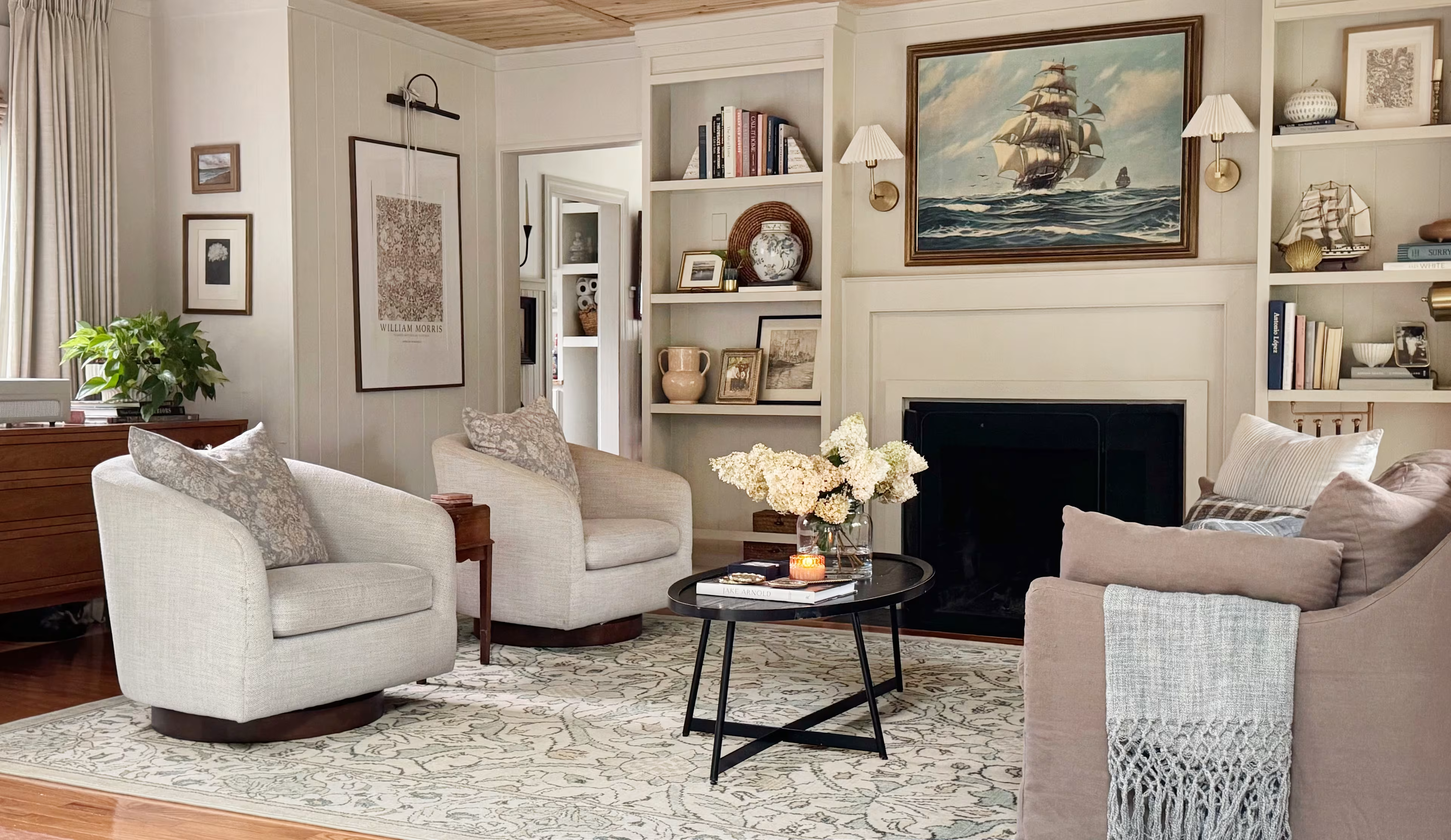
Every great color palette starts with inspiration. Before choosing specific shades, think about the feeling you want your living room to evoke.
Common inspiration sources include:
Artwork or photography you love
Nature (coastlines, forests, deserts, gardens)
Fashion or textiles
Travel memories
Existing decor or heirloom pieces
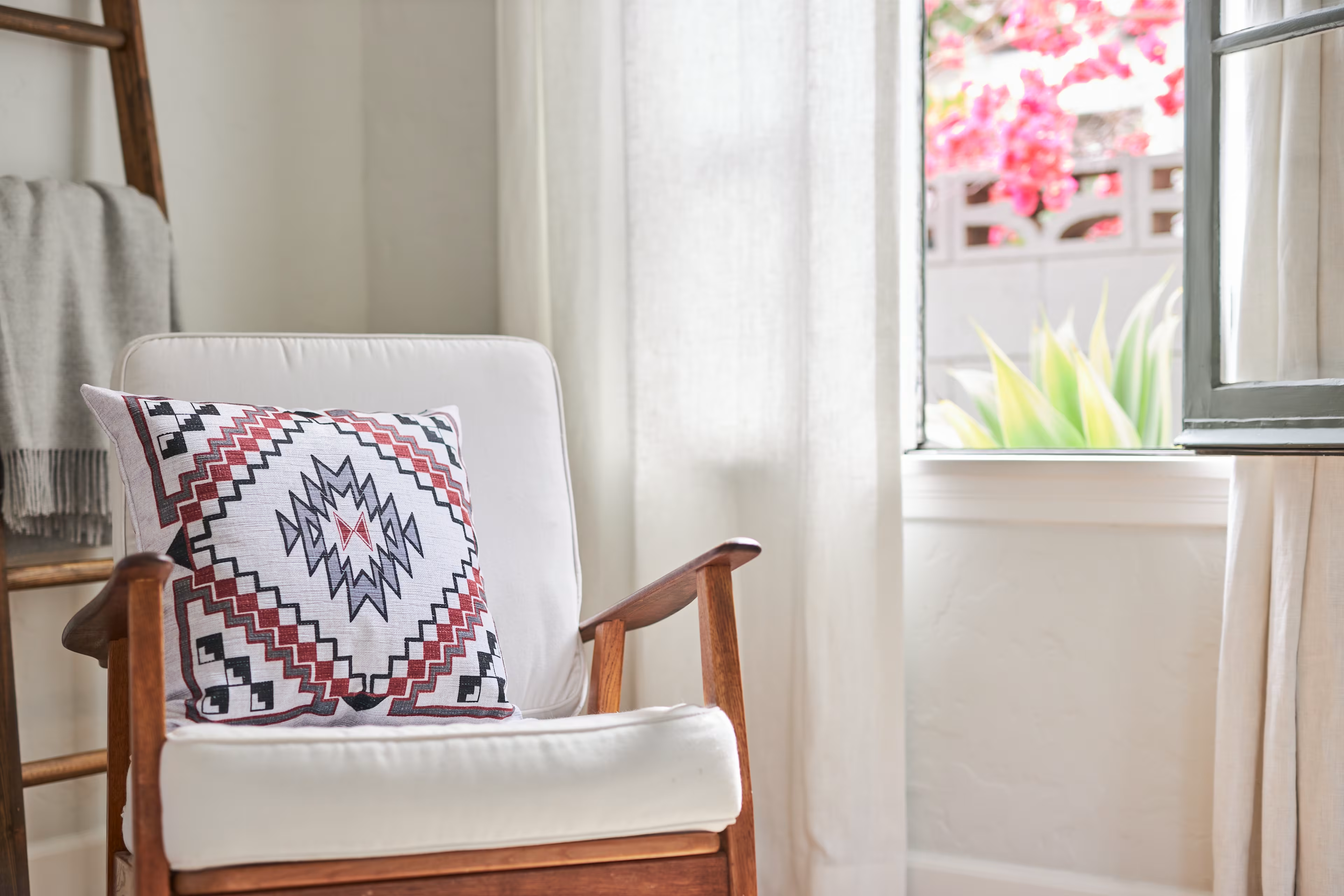
A favorite pillow, piece of art, or even a patterned rug can become the creative starting point for your entire living room palette. If you’re feeling stuck, look at your closet—the colors you naturally gravitate toward wearing are often the ones you’ll feel most comfortable living with every day.
Step 2: Choose Your Core Colors
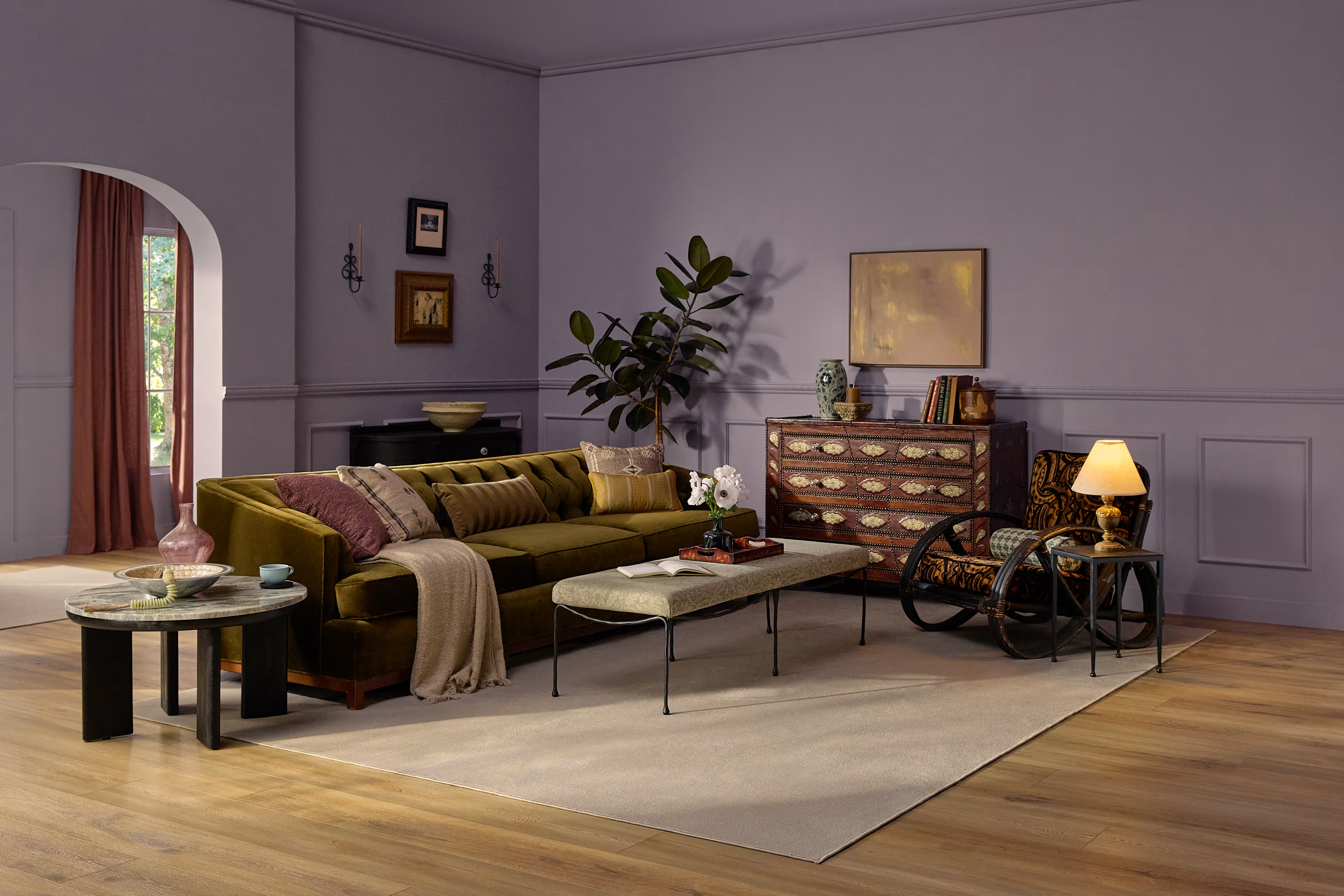
Once you’ve found inspiration, it’s time to select your colors. Most successful color palettes for living rooms include:
One dominant color that sets the tone
One or two supporting colors for depth and contrast
One neutral to ground the space
Living room rugs are often the easiest place to introduce multiple colors at once, making them a natural anchor for your palette. From there, pull individual shades into furniture, art, and accessories to create cohesion.
Step 3: Consider How Light Affects Colors (and Longevity)
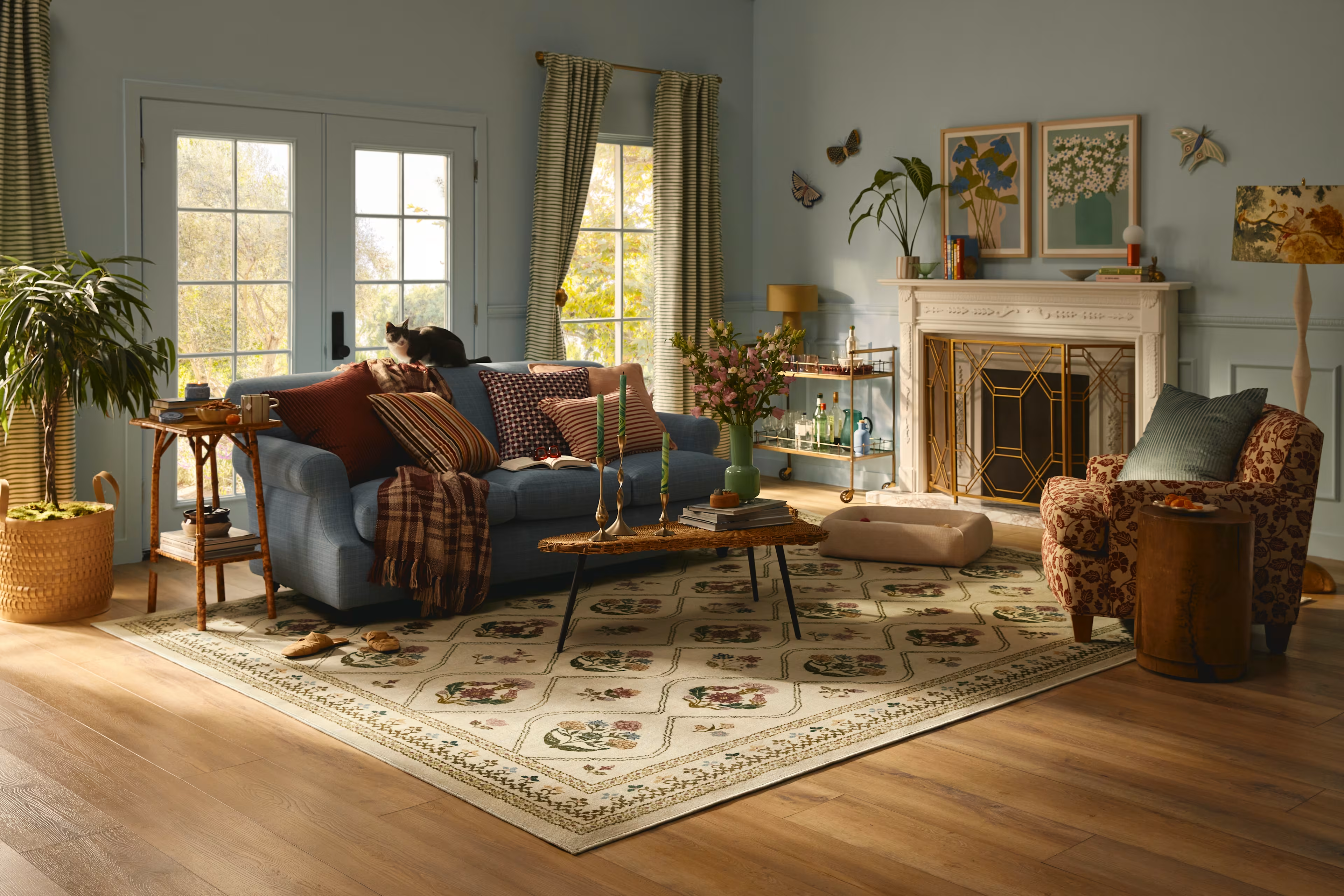
Lighting plays a major role in how colors appear—and how they age—throughout the day. Before committing to your palette, it’s important to understand how light interacts with your space and your materials.
How lighting shifts color:
North-facing rooms tend to emphasize cooler tones like blues and grays.
South-facing rooms enhance warmth and saturation, making yellows, reds, and oranges feel more vibrant.
Natural vs. artificial light can dramatically change how colors read—what feels perfect in afternoon sun may look completely different under evening lighting.
Addressing light damage and fading:
Sunlight doesn’t just change how colors look—it can also change how they last. Direct, consistent UV exposure can fade traditional rugs over time, especially in bright living rooms.
Rotate regularly: Turn your rug 180 degrees every six months to ensure even wear and sun exposure.
Use window treatments: Sheer curtains help diffuse harsh UV rays while still letting in natural light.
Choose fade-resistant materials: Opt for high-quality, washable, and UV-resistant fibers. Ruggable rugs are designed to hold their color, making them an ideal choice for bright, south-facing spaces where traditional rugs may lose vibrancy.
Pro tip: Always view rug samples or photos in your actual space at different times of day. What reads as a “warm beige” at noon might feel more like a “cool sand” by evening.
Step 4: Apply the 60–30–10 Rule
One of the simplest ways to balance color in a living room is the 60–30–10 rule:
60% dominant color (walls, large rugs, main furniture)
30% secondary color (sofas, curtains, accent chairs)
10% accent color (pillows, art, decor)
This framework creates visual harmony while still allowing personality and contrast to shine through.
Step 5: Incorporate Neutrals & Textures
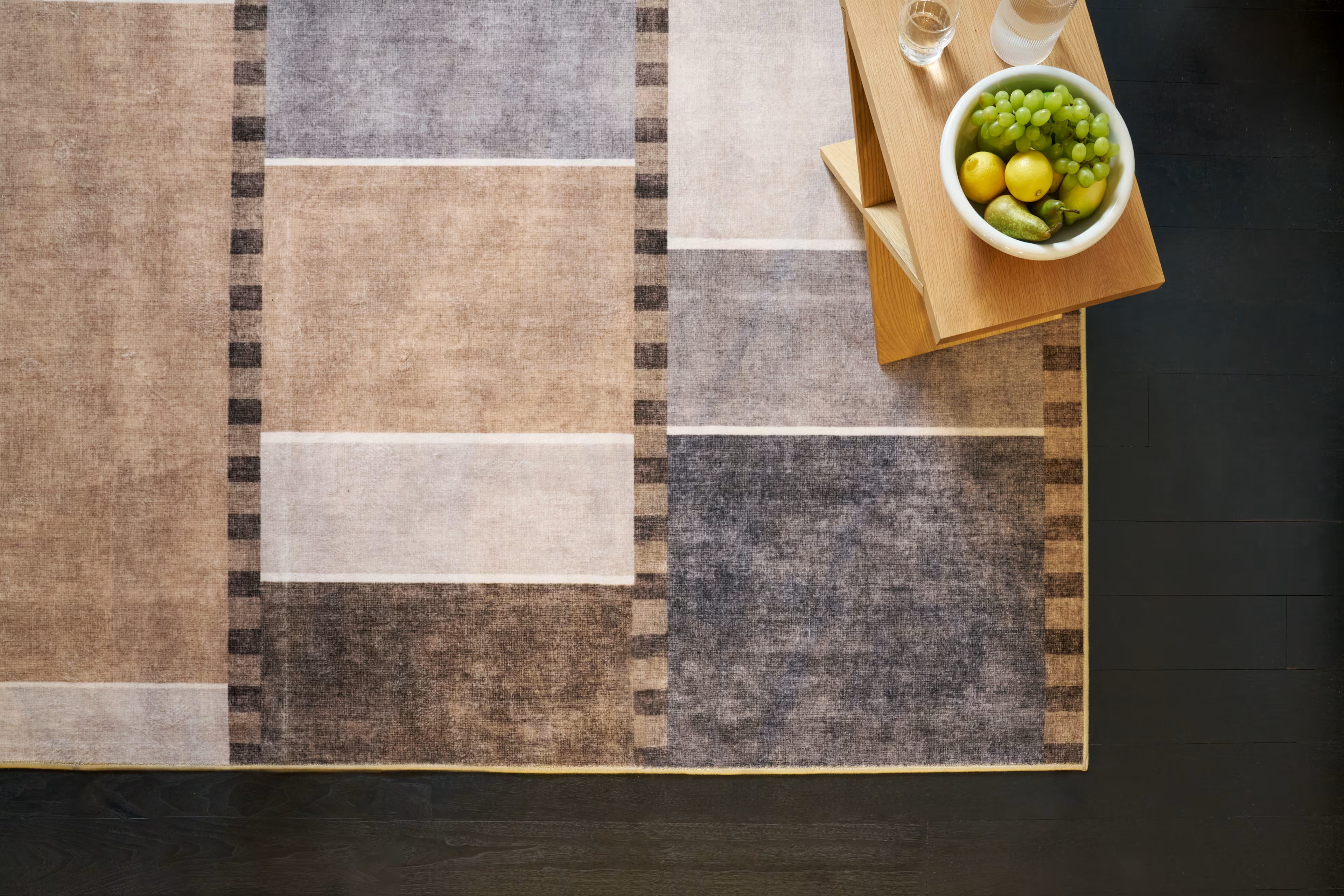
Even colorful spaces need moments of rest. Neutrals and textures help balance bold hues and keep the room feeling livable.
Neutral rug colors can ground vibrant palettes
Layer textures like flatwoven rugs, plush upholstery, wood, and metal
Mix soft and structured materials for depth
Texture adds richness without introducing more color, making it essential for well-rounded living room design.
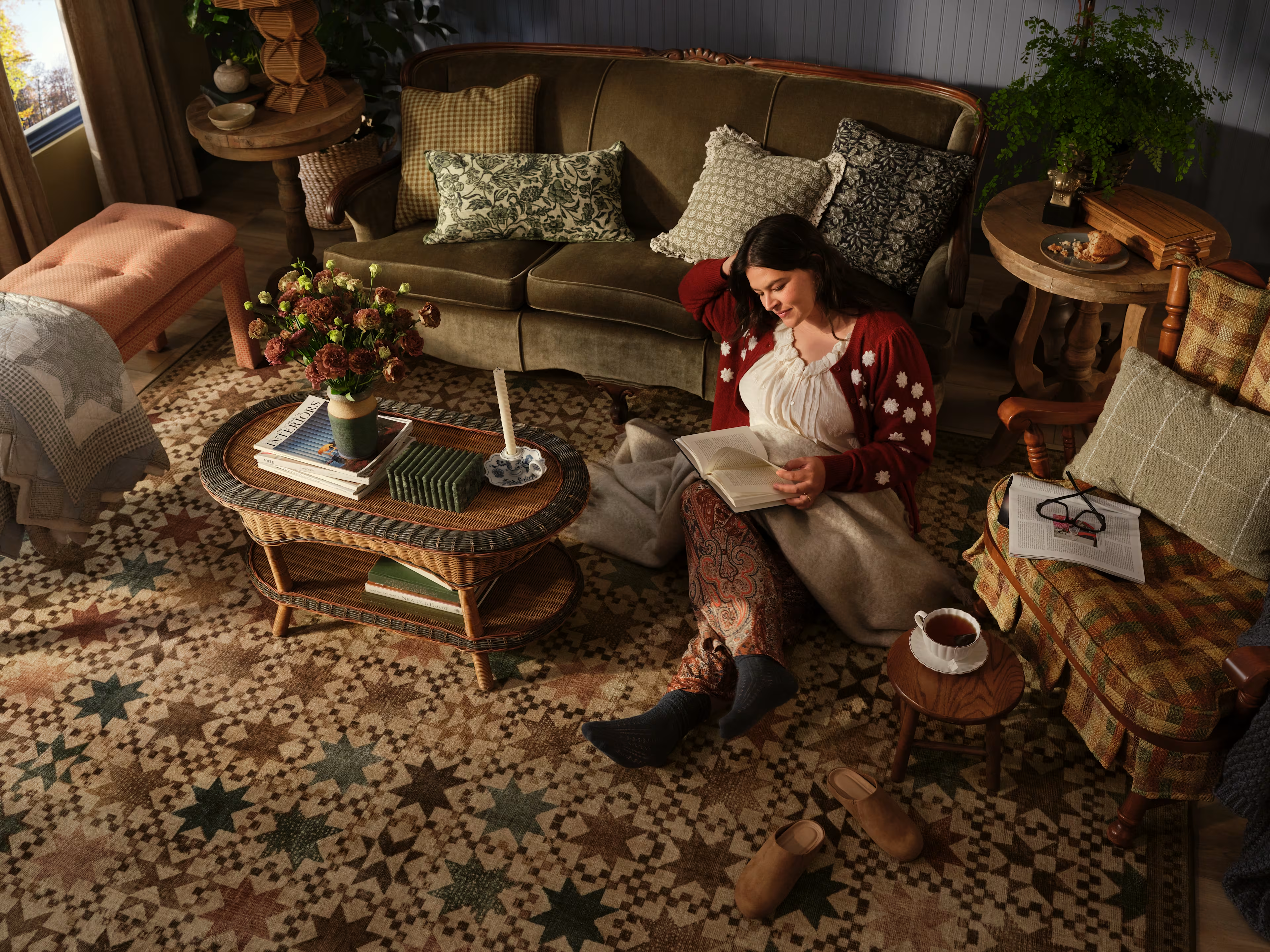
Step 6: Test & Refine Your Palette
Design isn’t instant—it evolves over time.
Order rug swatches or samples to see colors and textures in your space
Live with your rug or core pieces before finalizing paint or furniture
Observe how colors feel throughout the day and into the evening
Because rugs and textiles are easier to change than walls or large furniture, they’re ideal tools for refining your palette over time. If you’re unsure where to begin, a rug size guide can help you choose the right dimensions and placement to support your overall color scheme.
Ruggable also offers 10" x 10" color swatches so you can test shades at home before committing. To request swatches or get personalized guidance, contact our Customer Experience team at [email protected]—they’ll help you get started.
Use a Living Room Rug as Your Color Anchor
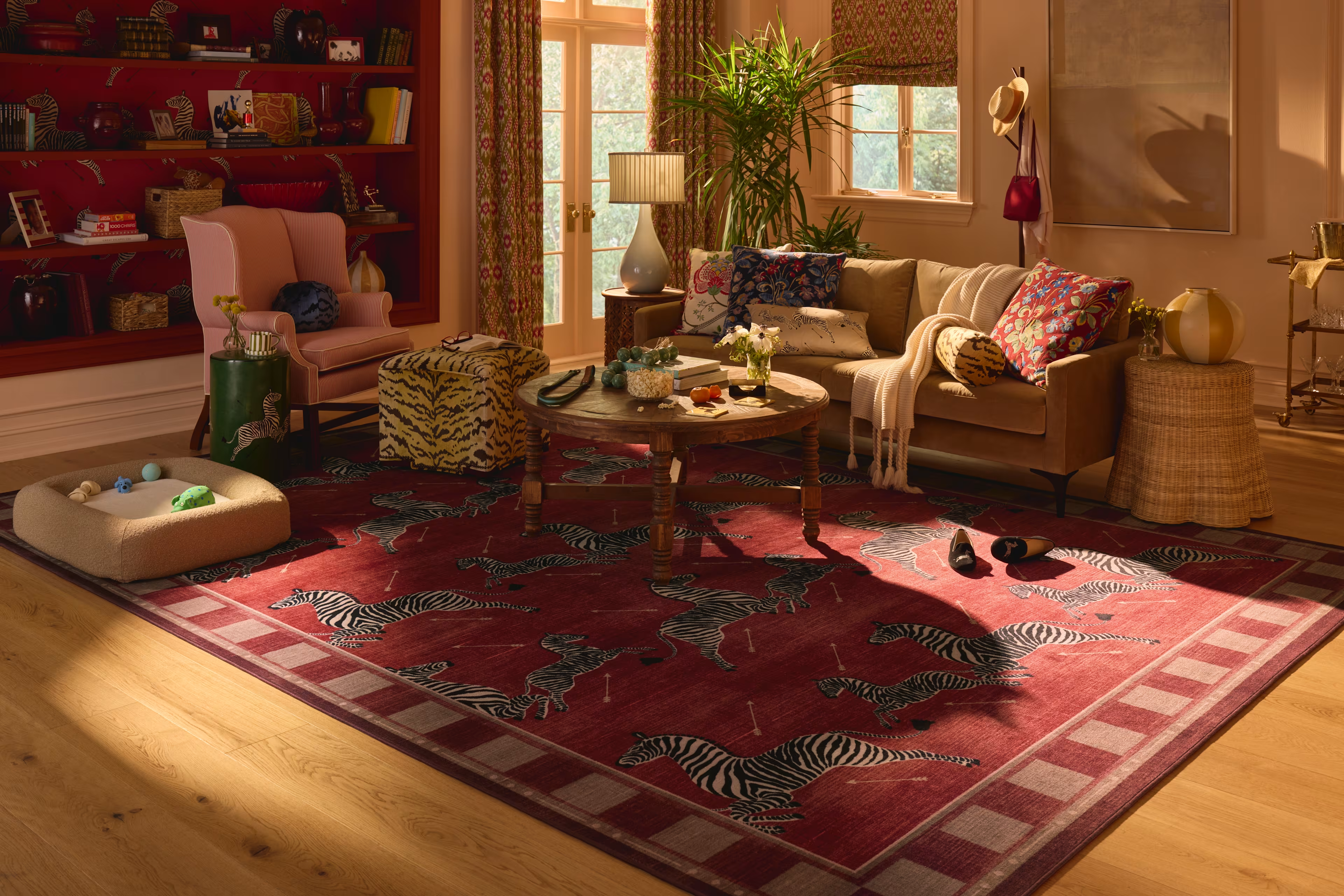
A thoughtfully chosen living room rug can do more than tie the room together—it can lead the entire design.
Colorful living room rugs are especially effective because they:
Introduce multiple shades at once
Create a visual foundation for furniture placement
Allow you to echo color throughout the room without overdoing it
Starting with a rug makes it easier to build a palette that feels cohesive, flexible, and personal.
Final Thoughts
Building a living room color palette is about balance, intention, and self-expression. With the right inspiration, a clear framework, and a strong foundation—like a thoughtfully chosen rug—you can create a space that feels stylish, comfortable, and truly yours.
Explore Ruggable’s collection of living room rugs to find washable, versatile designs that make building and evolving your color palette effortless.
Living Room Color Palette FAQs
Start with inspiration, select one dominant color, add one or two supporting colors, and balance with neutrals. Always consider lighting and room size before finalizing your choices.
Popular options include warm neutrals, blue rugs, soft blues, greens, and earth tones. Blue rugs are especially versatile, bringing a calming feel while pairing easily with both light and dark furnishings. Colorful rugs make it easy to introduce bolder shades in a controlled way.
Yes—your rug should either anchor the palette or introduce accent colors that repeat throughout the space for a cohesive look.
The easiest way to handle seasonal shifts is to keep your 60% (walls, large furniture, rugs) and 30% (sofas, curtains, accent chairs) fairly neutral. Then, refresh your 10% accent layer—like throw pillows, blankets, and small décor—using warmer tones such as rust or terracotta in winter, and cooler shades like sage or sky blue in summer. This approach keeps your space feeling fresh year-round without requiring a full redesign.
Most living rooms feel balanced with three to five colors, often following the 60–30–10 rule.
The right rug size and color can make a living room feel larger by grounding furniture and clearly defining the space.
More From The Blog



Ruggable
The Ruggable Team delivers home decor inspiration, practical rug care tips, and the latest interior styling trends. Our interior design enthusiasts and textile experts share creative ideas and easy-to-follow advice, helping you create stylish, comfortable, and easy-to-maintain spaces.
Follow Us